




Imagine a caterpillar so big you can literally hear it eating your tomato plants. That is the tomato hornworm by the time it reaches its pupating phase.
Jump to:
- A common and almost guaranteed tomato garden pest
- Two hornworms, one solution
- Ladybugs and Lacewings
- Predatory Paper Wasps
- Parasitic Braconid Wasps
- Hand Picking
- Bacillus Thuringiensis (Bt) subspecies kurstaki
- Spinosad
- Insecticidal Soap
- Neem Oil
- Tilling the Soil
- Other Plants Host Hornworms, Too
- Attention and Action Stop Hornworms from Overrunning Tomatoes
A common and almost guaranteed tomato garden pest
Hornworms are a common pest for tomato growers.
The impact is said to be worse for home gardeners. This is likely because home gardeners grow in small areas and keep fewer plants than commercial growers, so a few worms (which are really caterpillars) can do a lot of damage to a high percentage of your homegrown tomato crop.
If you find you have hornworms in your tomatoes, you’ll want to act fast to control them. By the time you know hornworms are there, they’ll be doing a lot of damage.
Damage that adds up, as these caterpillars eat up to four times their body weight per day, and they grow to about four inches long! They’re literally about the size of a human finger when fully grown!
The best course of action is a combination of control once you know you have the caterpillars, but also prevention and balance by creating a safe haven for beneficial insects and predatory insects.
Those beneficial predators can help you before you ever know the hornworms are there.
Two hornworms, one solution
There are two types of hornworms that infest tomatoes – one is a tobacco hornworm and the other a tomato hornworm.
The two look nearly identical, and the effects are the same. You don’t have to worry about splitting hairs to figure out which one you have in your garden – they both act and affect the plants and yields the same, and the control for each is the same, too.
Think you might have tomato hornworms? Need to Know what to Look for? Learn more here: All About Tomato Hornworms and Signs You Have Tomato Hornworms
Ladybugs and Lacewings
Ladybugs and lacewings, which are beneficial and carnivorous insects (which means they eat bugs, not plants), are good for controlling hornworms in the early stages.
Ladybugs and lacewings can help you before you know you have a problem. They feed on the eggs and the young larvae while they are still small. This is the most effective time to deal with hornworms.
You can encourage ladybug and lacewing populations by being careful about toxins and insecticides that you spray in and around your garden – even organic ones, if they can kill these insects (and some of them can).
If you do not have many or any lacewings and ladybugs in your yard and garden, you can buy them and release them into your garden. Ladybugs are usually released live, while lacewings are hatched into the garden from live eggs.
Do this early in the gardening year so they can start to work and build up a population.
Though it is good to wait until there are more insects for them to feed on so they don’t leave your garden, keep in mind that ladybugs and lacewings eat many types of problem insects, including aphids.
Predatory Paper Wasps
Many of us don’t like paper wasps, but not only are they good pollinators, but they are predators that eat young hornworm caterpillars.
You shouldn’t let them put you or your family in any danger, but unless they are disturbed, the common paper wasp isn’t too aggressive to humans. They will control all sorts of types of caterpillar-like pests in your garden.
Parasitic Braconid Wasps

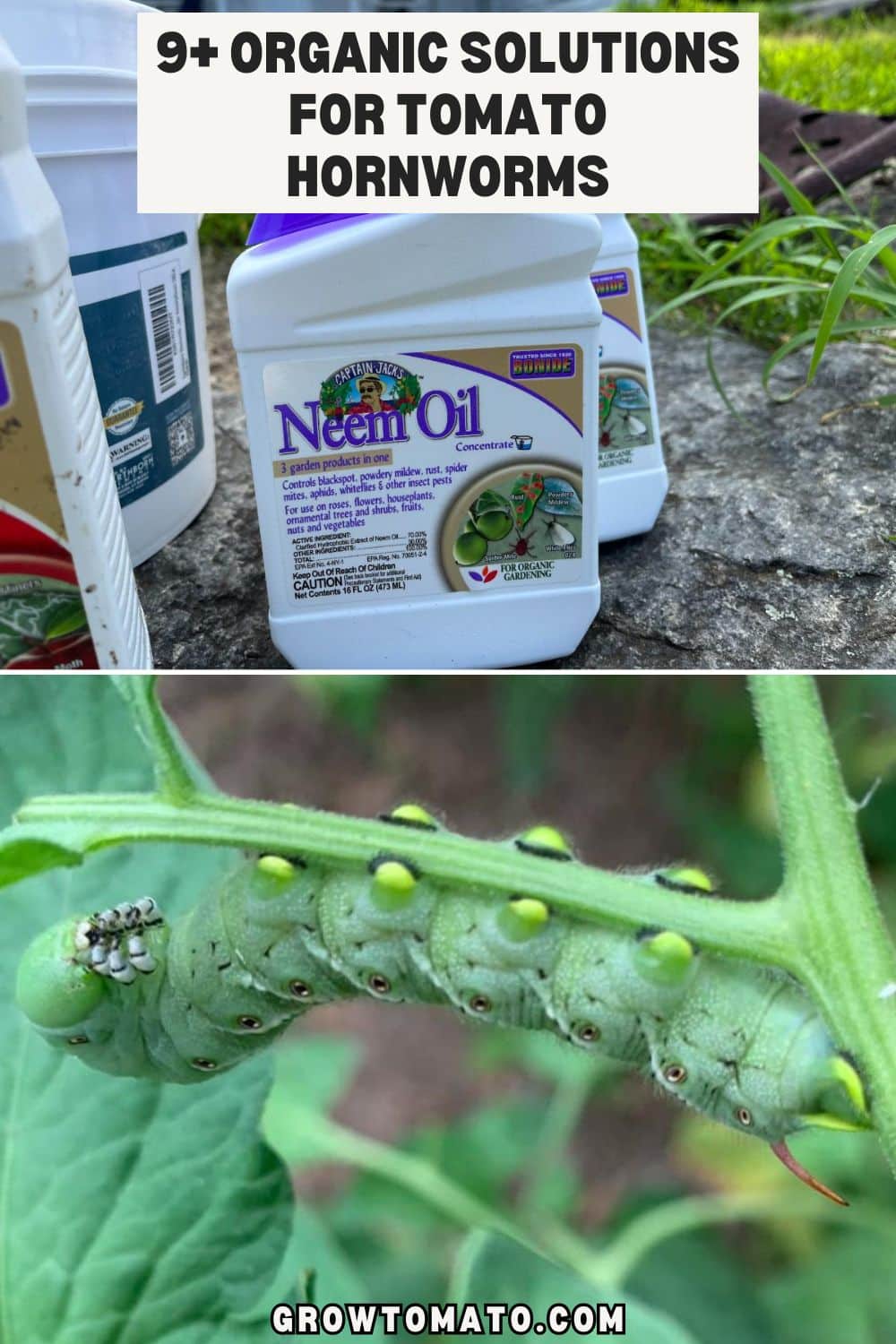
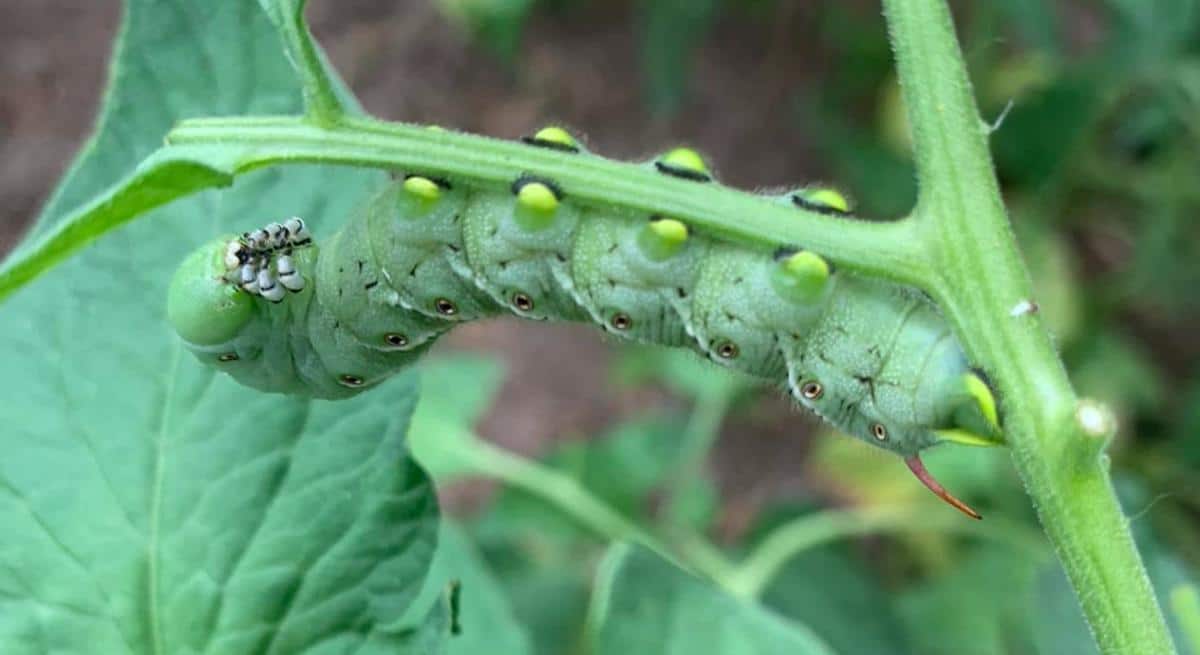
Another kind of wasp is the parasitic braconid wasp. These are small wasps that lay their eggs on the backs of hornworms.
The eggs then hatch and the larvae feed on the insides of the hornworm that is its host.
After feeding, when the wasp larvae are ready to pupate (transform into new wasps), they form a white egg-like, spiky protrusion on the hornworm’s back. This will look like two neat rows of multiple egg casings.
These are actually wasp cocoons. The wasps complete their metamorphosis on the back of the hornworm. The hornworm then dies after they hatch.
Then, you have a whole new generation of parasitic wasps to go attack the other hornworms in your garden (and the next hornworm generation, too – they can have two each season!).
Hornworms will still be alive, even with the cocoons on their backs, until the wasps hatch out. If you see hornworms in your garden that have been parasitized and are carrying these egg-like cocoons, it is best to let just those worms live. You’ll gain more from the hatching wasps than you will lose from that one hornworm.
Hand Picking
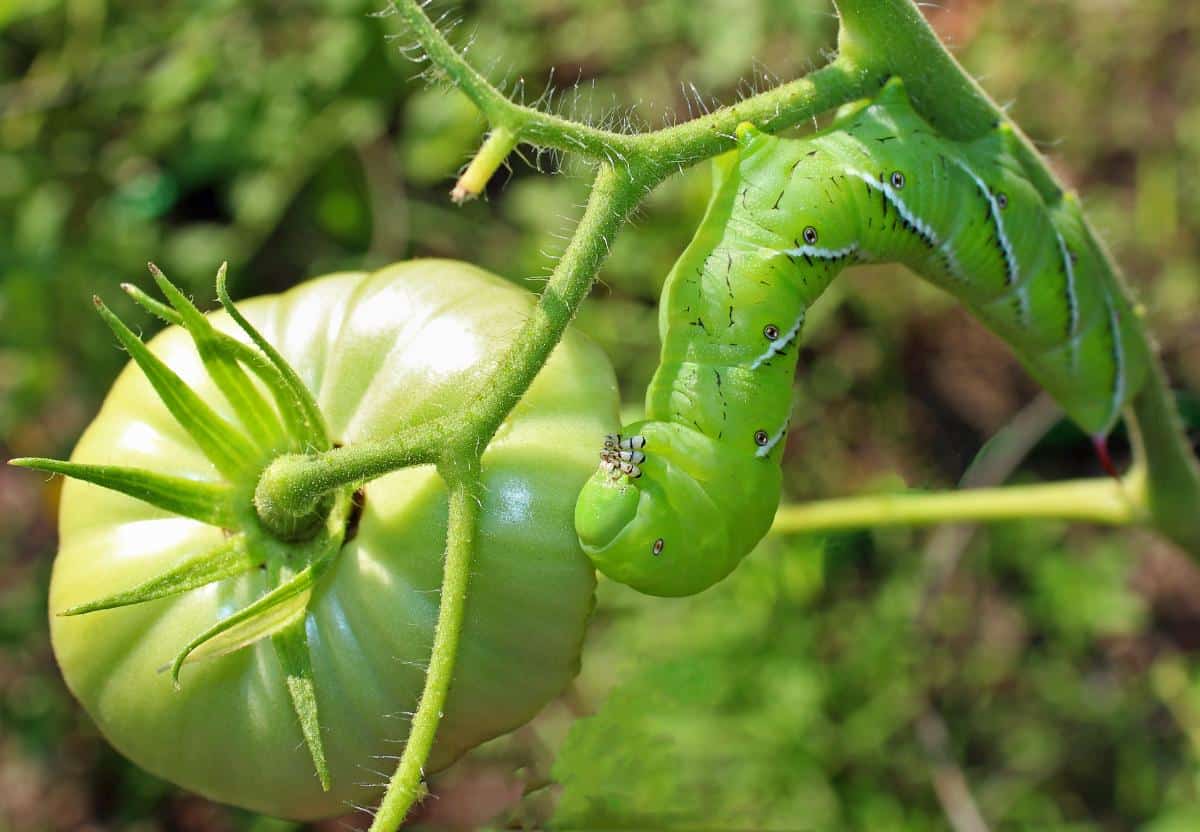
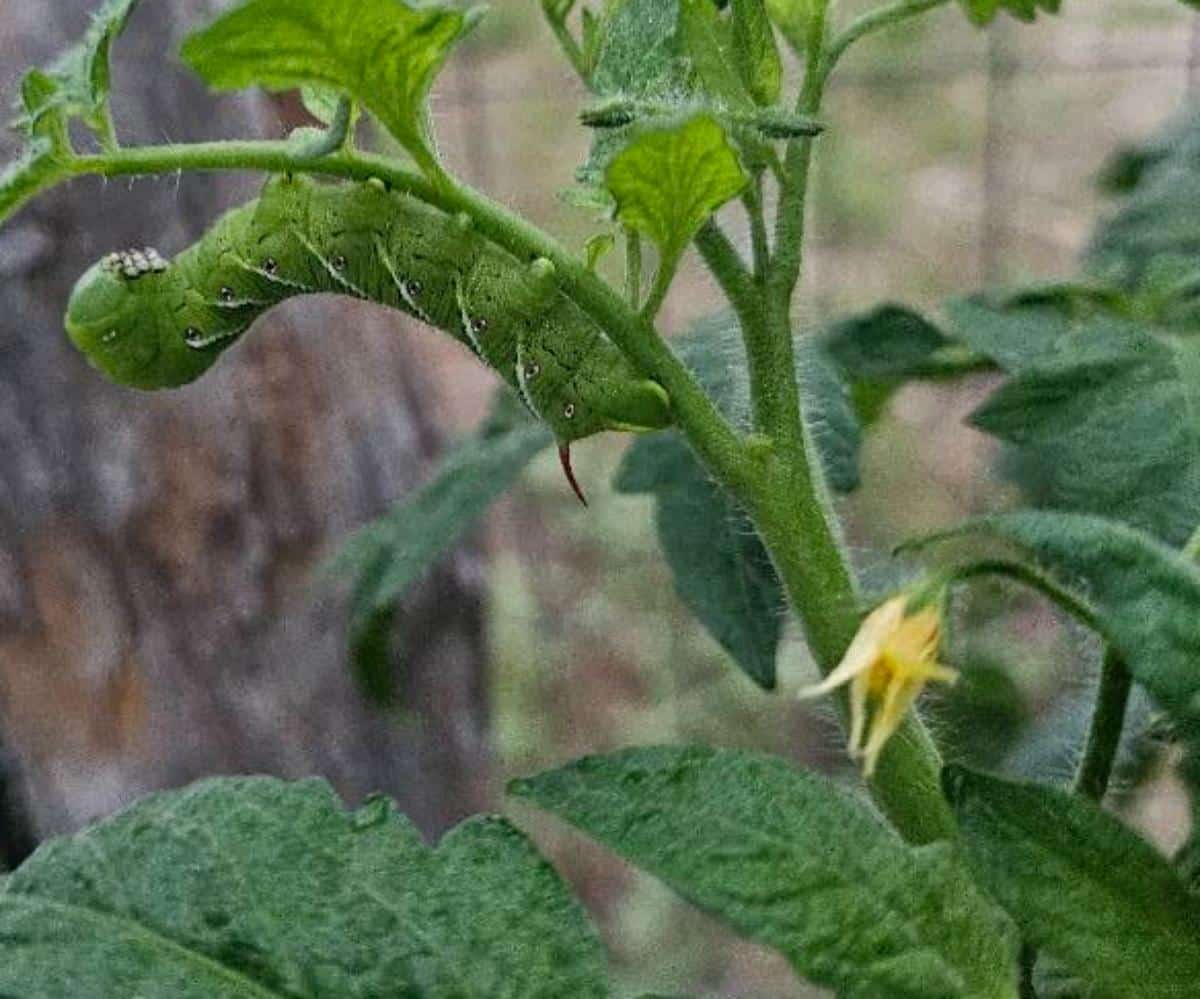
It sounds creepy, and we wouldn’t blame you for not wanting to touch these huge caterpillars with the large eyes and thorn-like spike on their tail, but hand-picking is the best way to control the large adults. It is what experts from leading universities recommend.
The reason they recommend it is that hornworms are a fairly localized problem. You don’t need a widespread spray regimen if you can find the caterpillars (but that admittedly can be tricky).
When you can find them, it's often enough to just pull off the hornworms and drop them in a jar of soapy water, which will kill them.
You will need to pull quite firmly – hornworms have a strong grip – and you might not like the way they feel in your hand, but the hornworms and their spikes are harmless to you.
Still, a good pair of garden gloves is worth its weight in gold here.
Here’s a tip to find the caterpillars if you’re having trouble: Buy a UV blacklight and go out to the garden at night. Scout the patch by shining the light on your tomato plants. The hornworms will glow a green or whitish hue.
Bacillus Thuringiensis (Bt) subspecies kurstaki
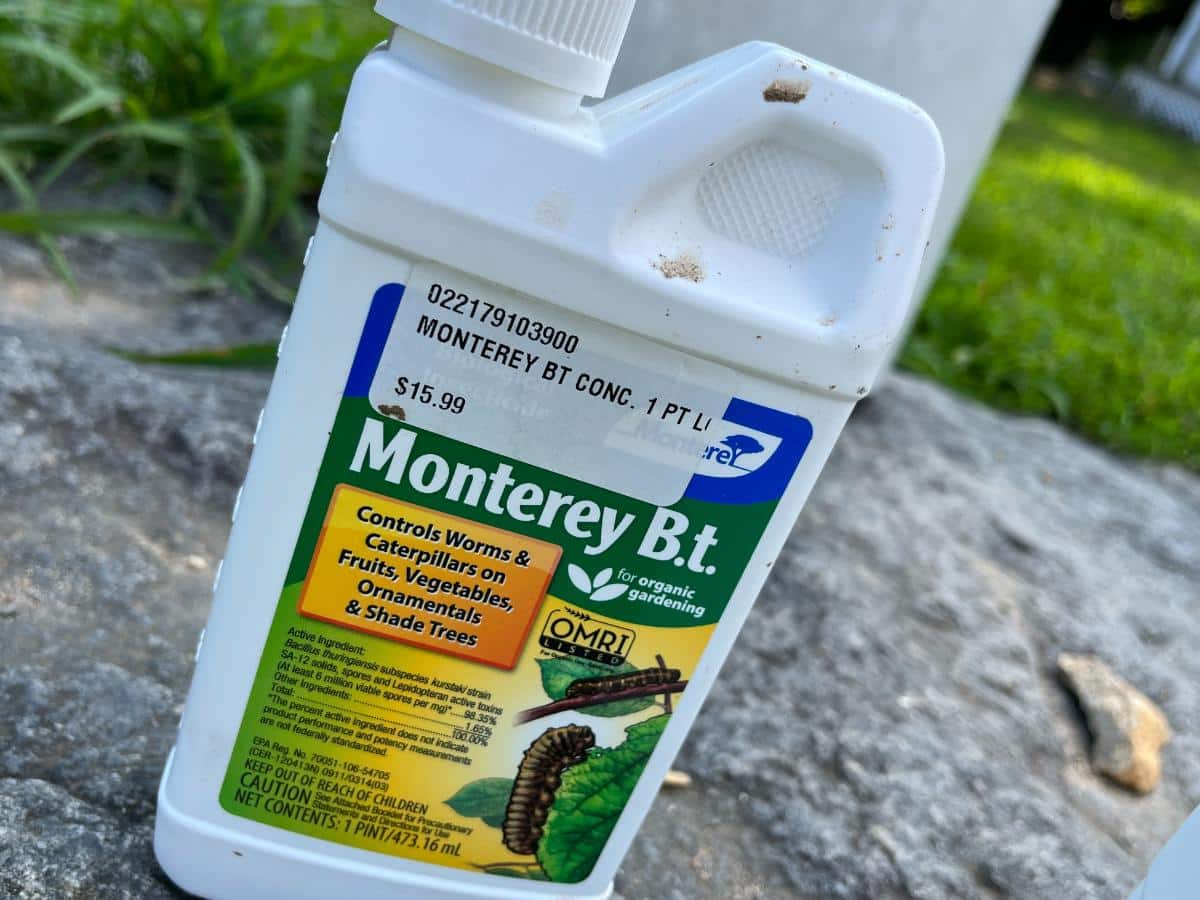
Bt is a natural, organic insecticide that is made with the Bacillus Thuringiensis bacterium. This bacteria works as an insecticide on worms, caterpillars, and similar insects and larvae.
It does not work to kill bees, beetles, and flying insects.
Bt is sprayed on the tomato plant, and then caterpillars eat it when they eat the plant’s leaves.
This makes Bt a very targeted product that is very safe to use without harming insect pollinators and bees (though if it were to be ingested by the caterpillars of butterflies, etc., it would also kill them).
Tomatoes don’t tend to be hosts to caterpillars of desired species, so it is one of the best wide-application products that can be used with little harm to beneficial insects.
Bt is good to use when you need to cover large plants or the entire patch -- like if you suspect hornworms but don’t know where they are, or they are in a young larval stage.
Bt, along with all insecticidal options, is most effective on small caterpillars while they are young, but can be used on adults, too, and is probably one of the more effective products on older hornworms.
Spinosad
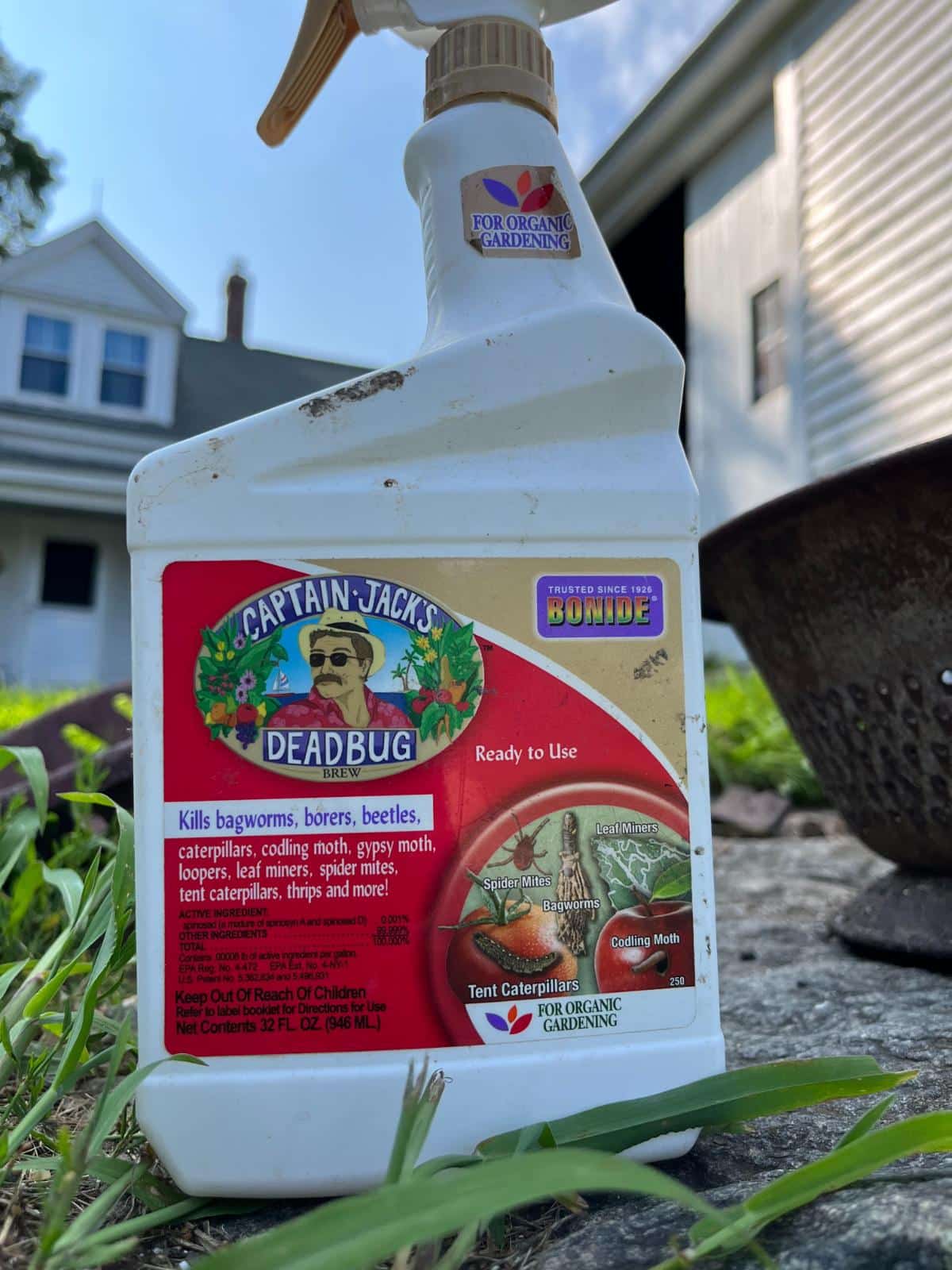
Spinosad is a similar product to Bacillus Thuringiensis (Bt) in that it targets pests by spraying the plant and the pests are affected when they chew on the plants. It is also a bacterial agent and a natural, organic product.
Because it only effects insects that eat the plants where it is sprayed, Spinosad is considered “easy" on beneficial insects.
It does have a wider range of applications and insects that it kills, including flying insects like moths (unlike Bt subsp. Kurstaki which is limited to caterpillars and very targeted).
Still, this is a fairly limited product as far as collateral damage goes, and if you follow label instructions and precautions, you can use it on your tomato plants to kill hornworms without significantly harming beneficial insects.
Insecticidal Soap
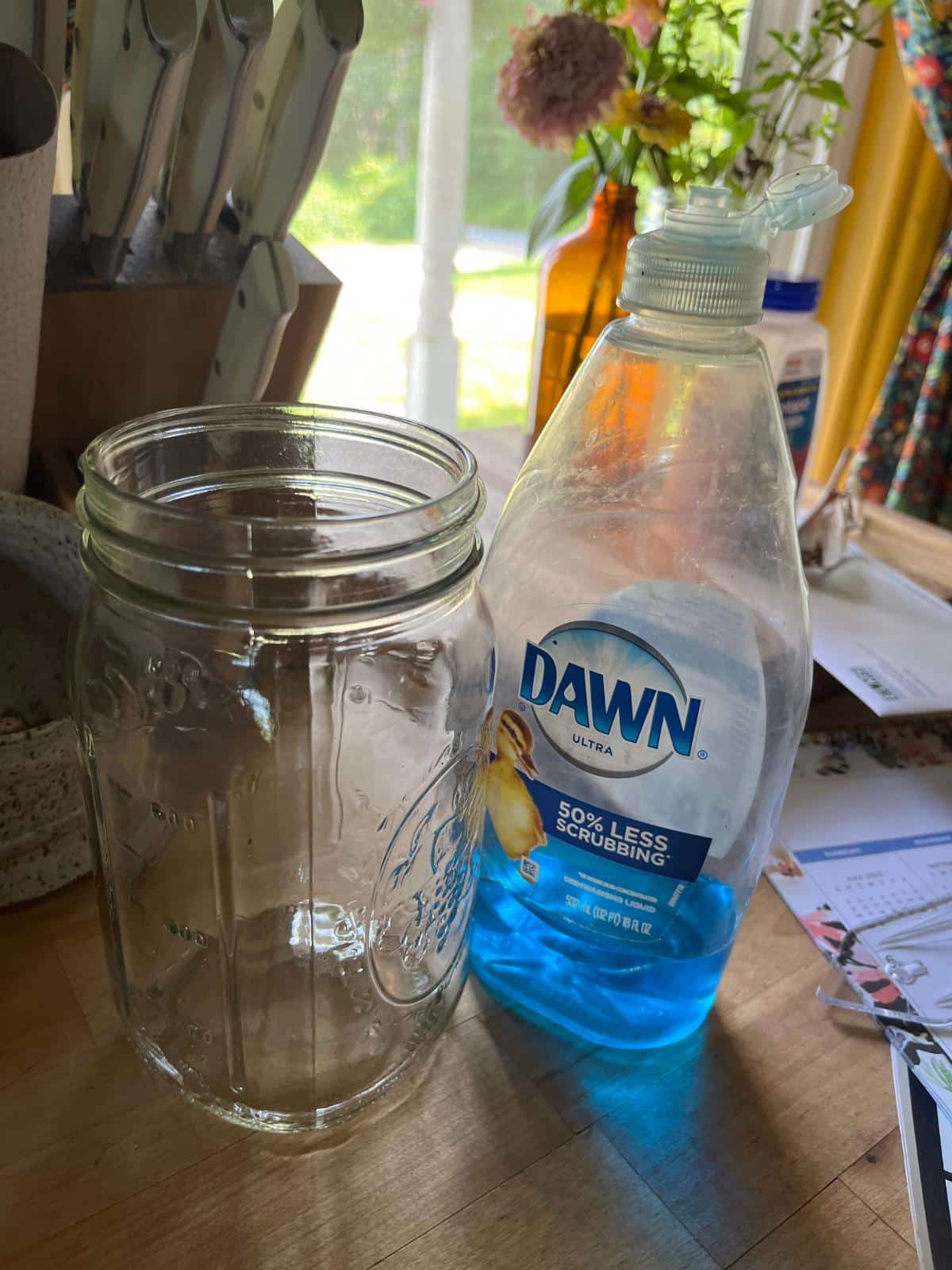
Truth to tell, insecticidal soap is not always considered organic, but it is an essentially non-toxic solution that will kill hornworms.
One advantage of insecticidal soap is that you can make your own at home with simple household ingredients like dish soap.
One of the drawbacks is that you can overdo it and cause burning to the plant if you don’t take care in its application and if you apply in full sun.
Another drawback is that you have to directly spray the soap on the hornworms. However, this also means that it is not a broad spraying approach, so it only hurts what you hit, and you can easily avoid hitting beneficial insects, bees, and pollinators.
There is no lasting residue with insecticidal soap, so it won’t harm pollinators that come to your plant after it dries (or “bad” bugs, for that matter).
Your food won't carry a toxic residue, either!
Neem Oil
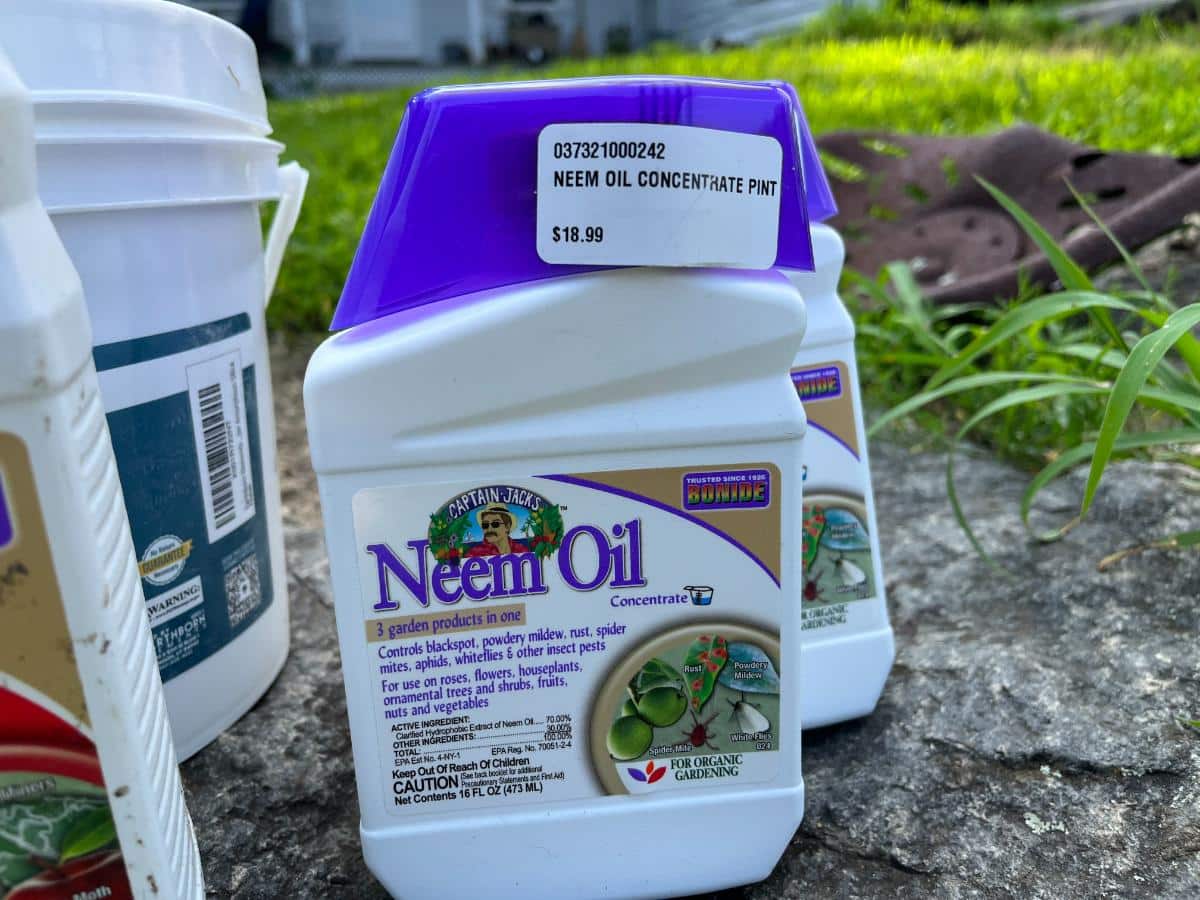
Neem oil works on hornworms in a few ways. It smothers the caterpillars, killing them. When ingested, it can disrupt digestion and reproduction.
It is also bitter and acts as a repellant.
One benefit of neem oil is that it is also a very good natural antifungal agent that can help protect your tomatoes from blight, wilt, and other mold and fungal-based diseases.
Neem oil can kill bees if it is sprayed on them and can impact other beneficial insects, so make it a point to read the product label to avoid negative impacts on beneficial bugs.
Tilling the Soil

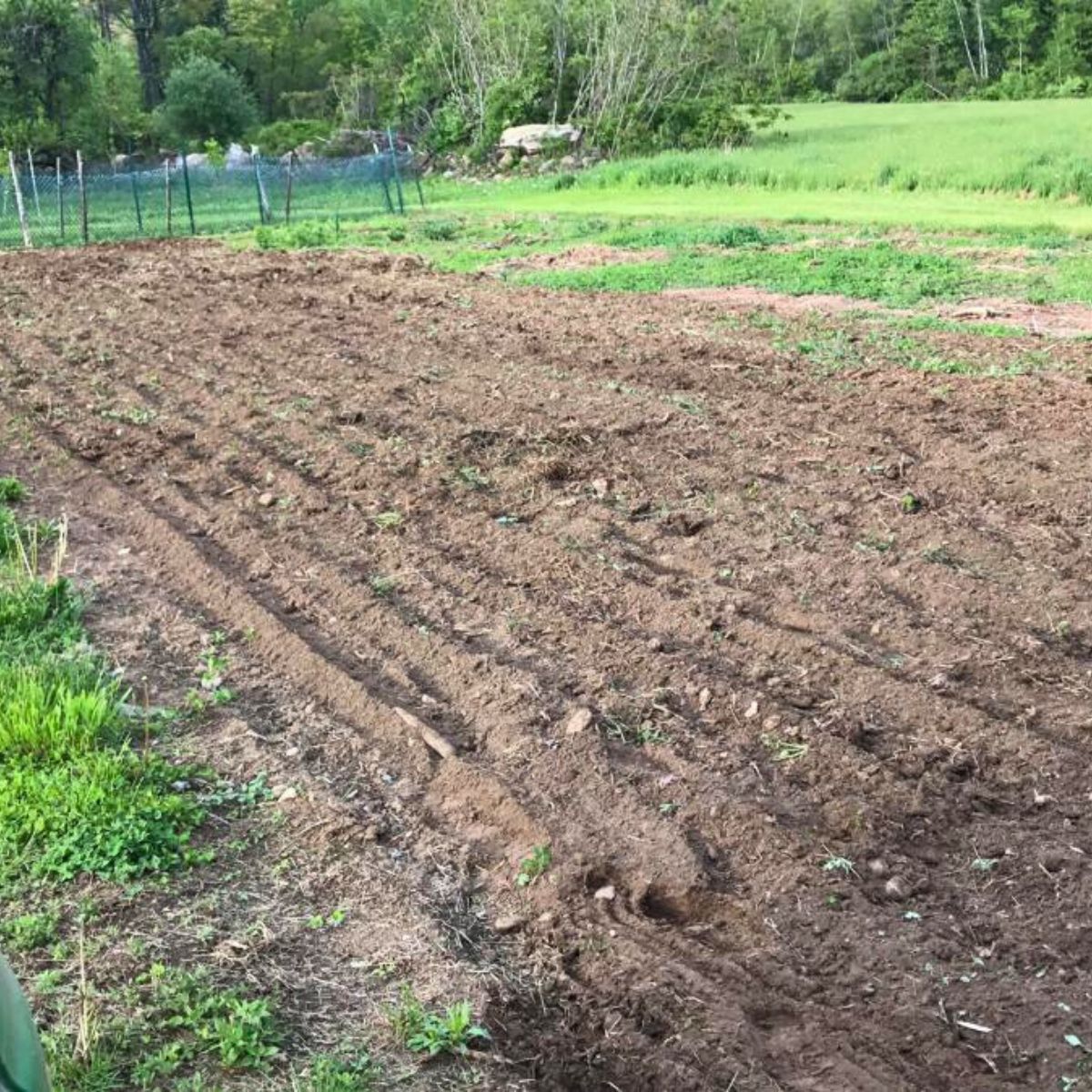
Tilling can be a little bit “controversial” in home gardening circles, but it is an excellent practice to control large infestations of hornworms.
Hornworms fall off tomato plants and the larva overwinter in the ground. But they don’t travel far, so they will only be in the ground below and around where they fell.
By tilling the soil where tomatoes and other host plants grow, you can kill an average of 90% of the hornworms in the soil. This will give you excellent control year over year.
If you prefer not to till your garden but you have seriously damaging populations of hornworms, consider tilling the area where you grow your tomatoes. This can be a good balance between the two practices.
Other Plants Host Hornworms, Too
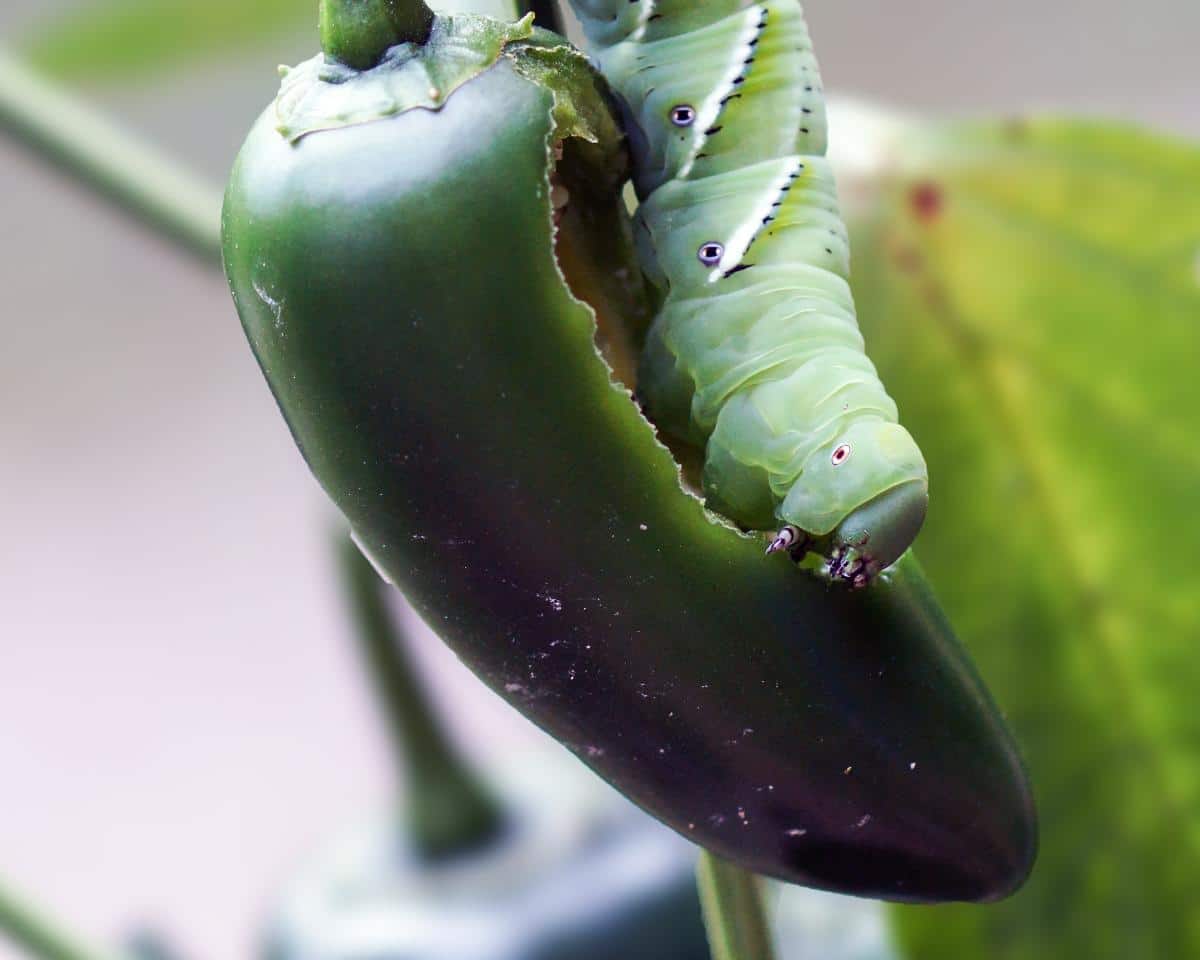
It is worth knowing that other plants are targets of hornworms, too. Hornworms only attack solanaceous plants – those in the nightshade family.
Eggplants, peppers, potatoes, tobacco, and weeds, including horse nettle and nightshade, may be hosts for hornworms (though their first preference is usually tomatoes).
Keep an eye out for signs of hornworms and the caterpillars on these plants.
Attention and Action Stop Hornworms from Overrunning Tomatoes

Paying attention to your tomato patch and dealing with hornworms at the first sign will go far to protect your tomato crop.
When you find them, act.
Hornworms will quickly defoliate a tomato plant. They’ll eat the blossoms so tomatoes can never form, and they sometimes eat the unripe fruit, too, ruining the fruits that do form. They’ll even eat ripe tomatoes – almost no part of the plant is safe!
Keep a clean area free from as many weeds as you can so that host weeds don’t harbor hornworms.
Do these things listed here and you can keep hornworms under control, and net an excellent, delicious, and nutritious tomato harvest.