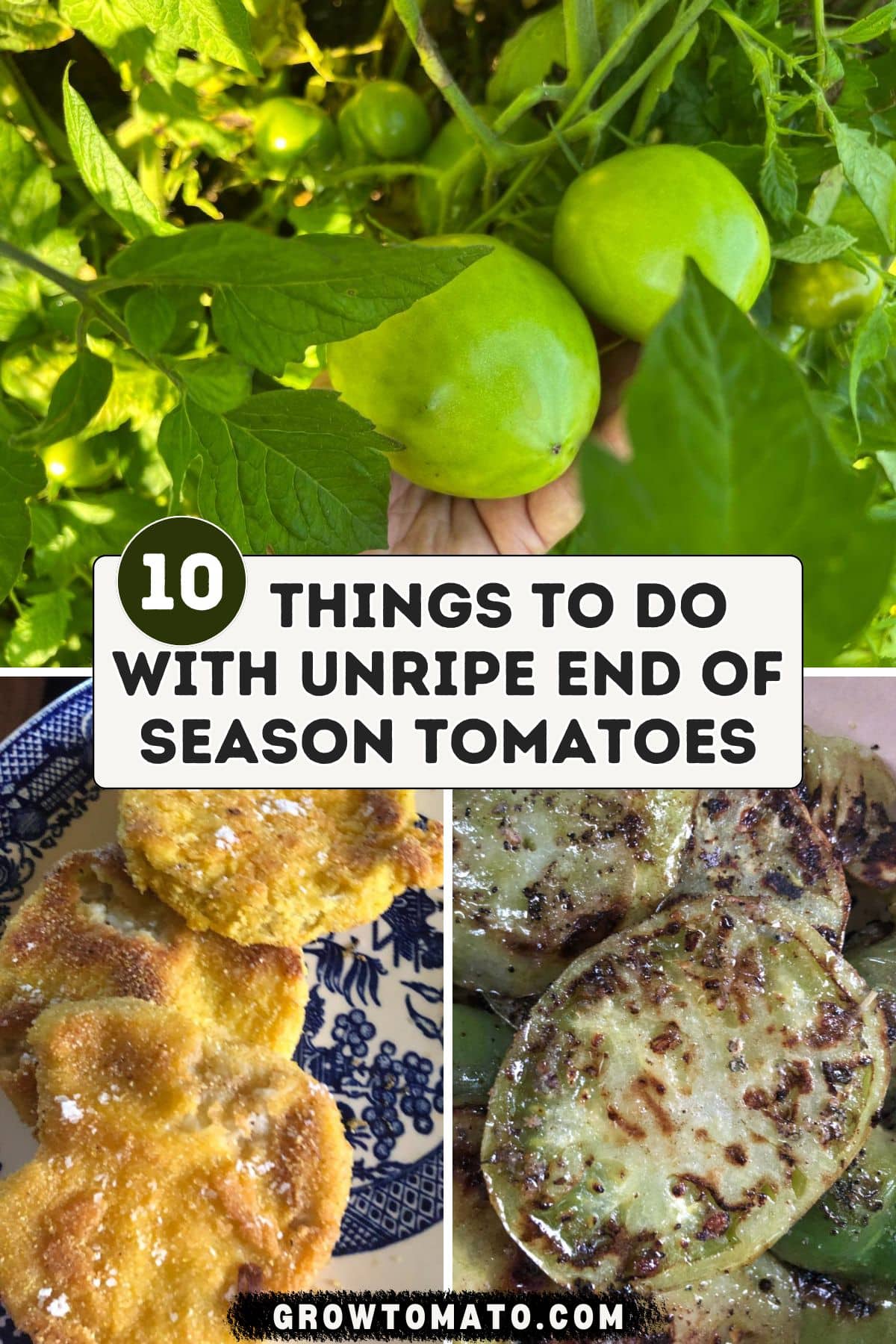


The transition from summer to fall can often leave our tomato gardens in limbo. There are too many good fruits to let them go to waste. The days may even be warm enough for continued ripening and growth if they can survive the frosty nights.

Covering your plants to allow them to continue to grow and ripen for the first random frost or two is manageable, but much beyond that, and you’re looking for something less tiresome.
When the frosts start to become more than just spotty and infrequent, it’s a better option to look for indoor alternatives for storing, using, and managing what’s left of the end-of-season green tomatoes.
Here are some ideas to help you deal with your late-season abundance.
Jump to:
- 1. Bring green or unripe tomatoes in to ripen
- 2. Keep in Cool Storage or in a Root Cellar
- 3. Dry/Dehydrate to Preserve
- 4. Make Green Tomato Powder
- 5. Freeze for Future Sauce or Pureed Recipes
- 6. Use in Place of Tomatillos in Recipes
- 7. Make Green Tomato Salsa Verde
- 8. Make Green Tomato Relish or Chutney
- 9. Use for Green Tomato Pickles, Chutneys, and More
- 10. Make Any Number of Green Tomato Recipes!
- Tips for Choosing, Storing, and Preserving Unripe, Green, End-of-Season Tomatoes
1. Bring green or unripe tomatoes in to ripen
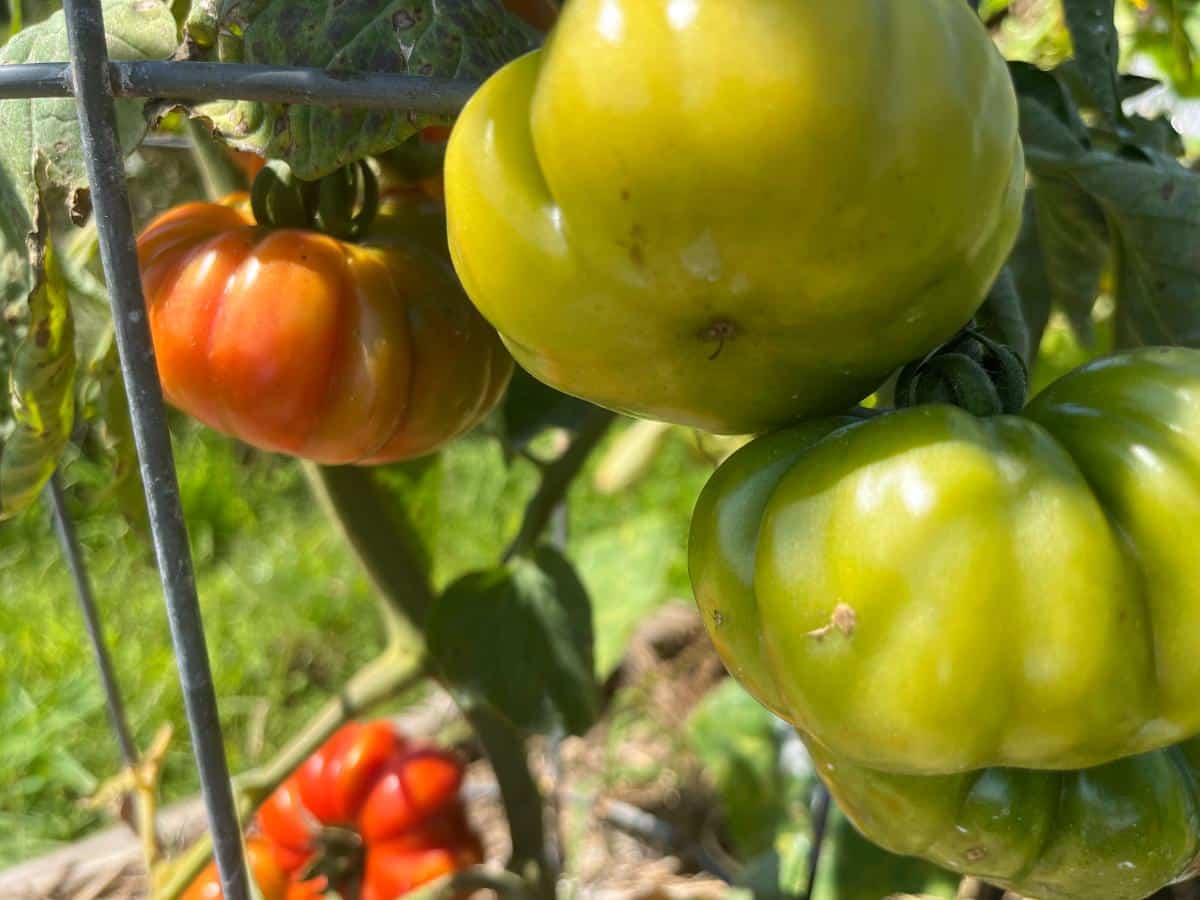
The first and most obvious option is to bring all the mature green tomatoes inside and let them ripen indoors. If you have a large quantity, this can take up some space, but it’s well worth your effort.
Letting the last mature green tomatoes ripen indoors gives you all the same options as fresh eating, canning, saucing, or preserving as in-season red ripe tomatoes do.
This is often a good choice because by the time the late harvest ripens, your garden is likely to be slowing down and opening up time for you to do more processing and preserving. You may find you prefer this to trying to deal with the deluge of ripe tomatoes in the middle of the gardening season!
2. Keep in Cool Storage or in a Root Cellar
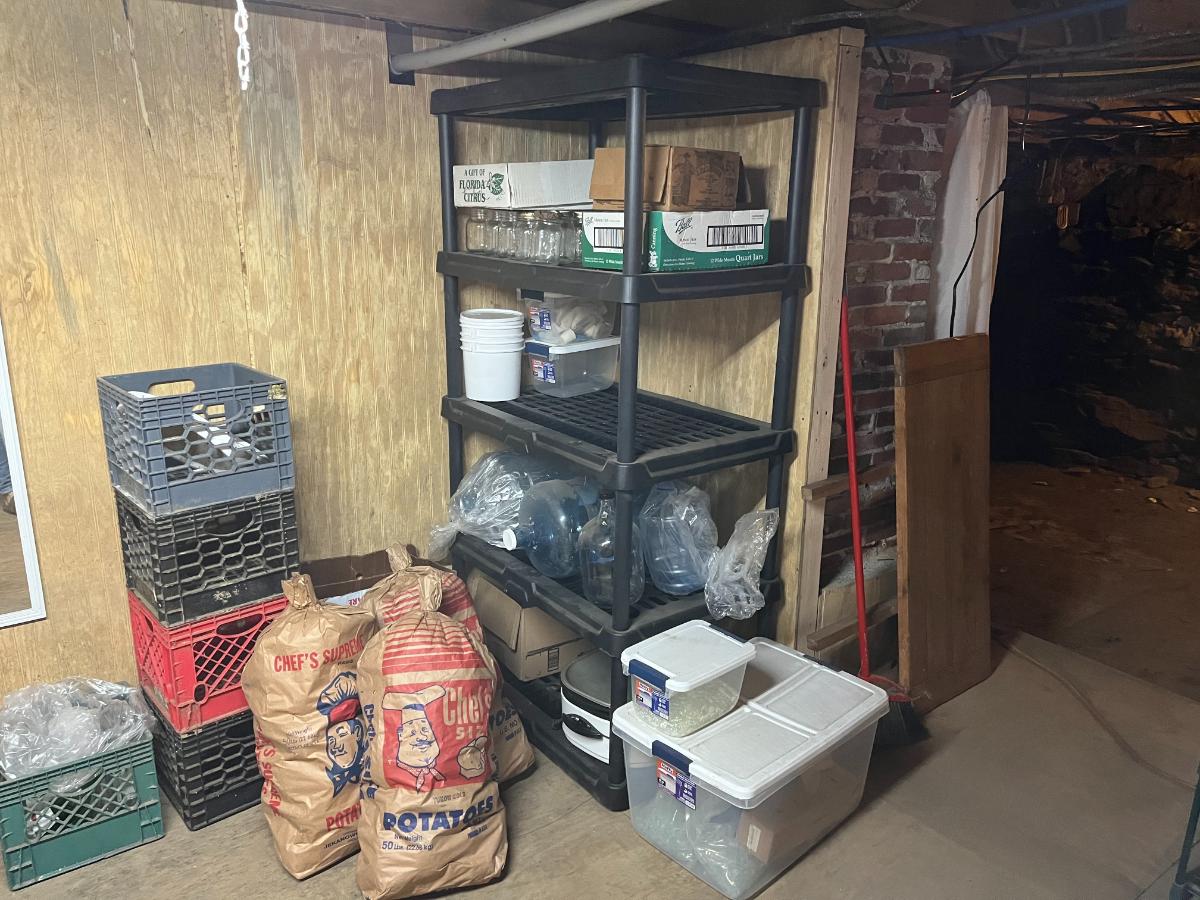
Green tomatoes can be put in cool or cold storage, as long as it is above freezing. So yes -- your tomatoes -- both green and red -- can go into your cold storage space or root cellar!
Tomatoes stored in cool storage will last for many weeks, making them good for raw and fresh eating or for other cooking, canning, drying, or preserving projects.
Green tomatoes that are placed in cool storage will slowly ripen as long as they have matured enough (fully grown fruits at the mature green stage or with a light pink to red blush starting). It won’t matter if they have access to light; what will ripen them will be the ethylene gas they produce, not exposure to light.
Red ripe tomatoes will hold for several weeks in cool storage, but putting green tomatoes into cool storage will extend the harvest for a long time. You may have fresh garden tomatoes to eat for months, even!
Before they ripen, you can still choose to use those tomatoes as green tomatoes in all sorts of recipes and preserves.
3. Dry/Dehydrate to Preserve
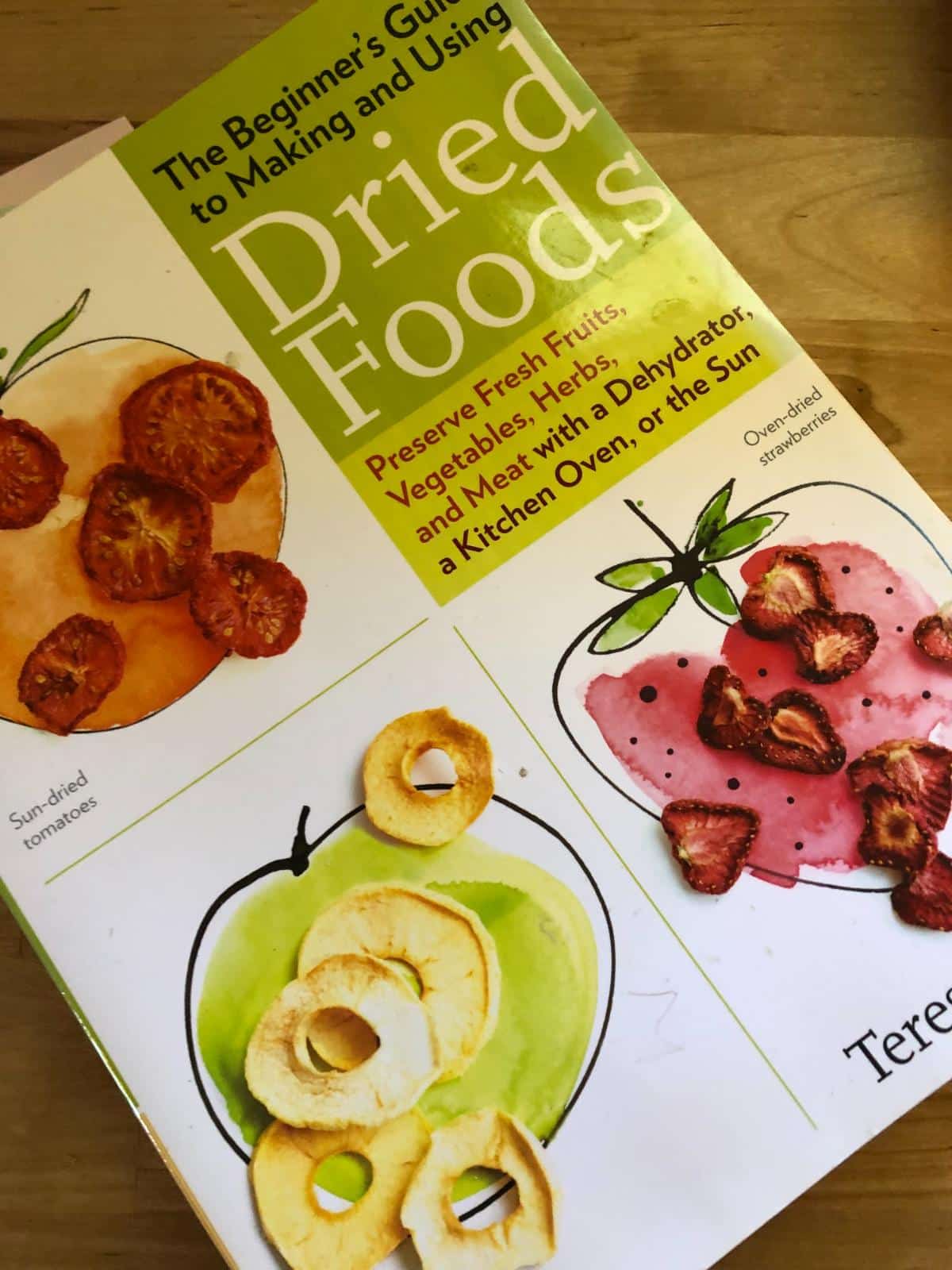
We usually think of tomato dehydrating as something only for red ripe tomatoes. The truth is, green tomatoes can be dehydrated, too!
Dried green tomatoes have a more sour and fruity flavor. They taste more like dried apples than dried red tomatoes. They can be used for a unique flavor in recipes that use sun-dried tomatoes, or they can be rehydrated for things like green tomato pie, which is similar to an apple pie.
4. Make Green Tomato Powder
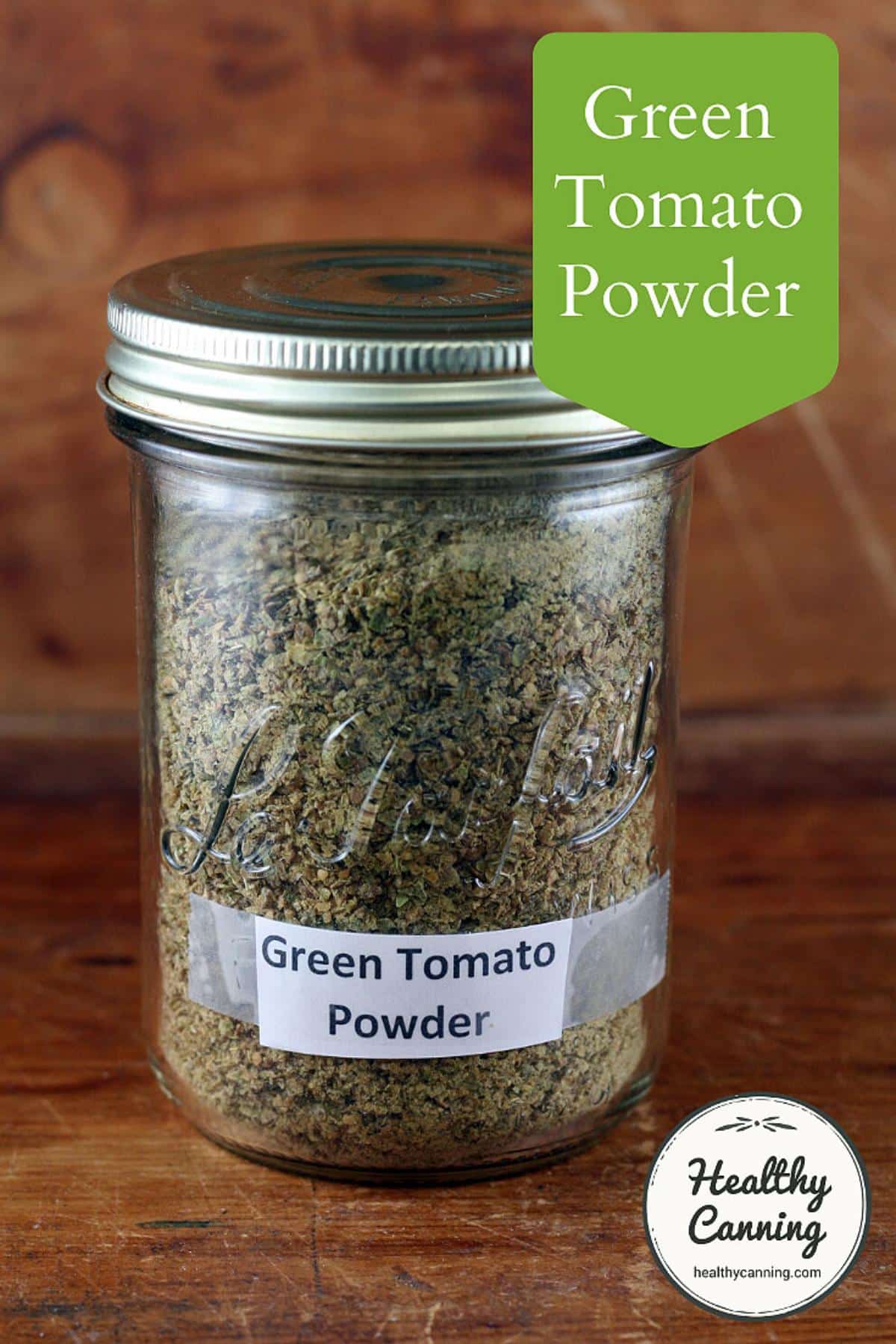
You can also make dried green tomatoes into other useful products. Green tomato powder is one of them.
After your green tomatoes are thoroughly dried and cooled, grind them into a fine powder. A coffee or herb grinder is a good appliance to use for this.
Use the powder in soups, stews, sauces, on roasted vegetables, in dressings, and more.
5. Freeze for Future Sauce or Pureed Recipes
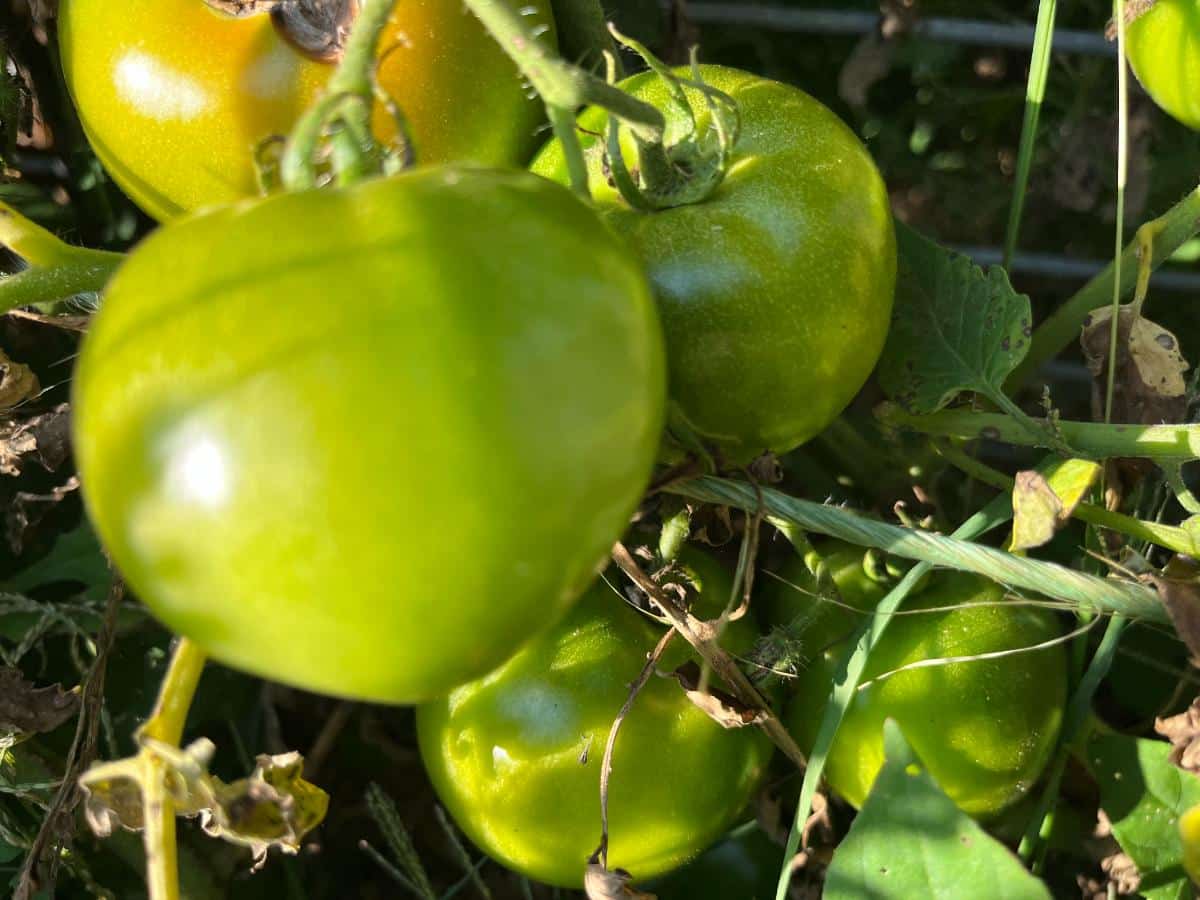
If you don’t have time to use your green tomatoes in the near future, you can freeze them for future use.
When the green tomatoes thaw, the consistency will be different, so they will only be good for cooking and similar uses like enchilada sauce, green tomato ketchup, or chile verde.
One big advantage of freezing your green tomatoes before you use them is that when they come out of the freezer and are thawed, the peels will slip right off. No blanching to peel them! (If you peel your tomatoes before saucing, canning, and so on.)
6. Use in Place of Tomatillos in Recipes
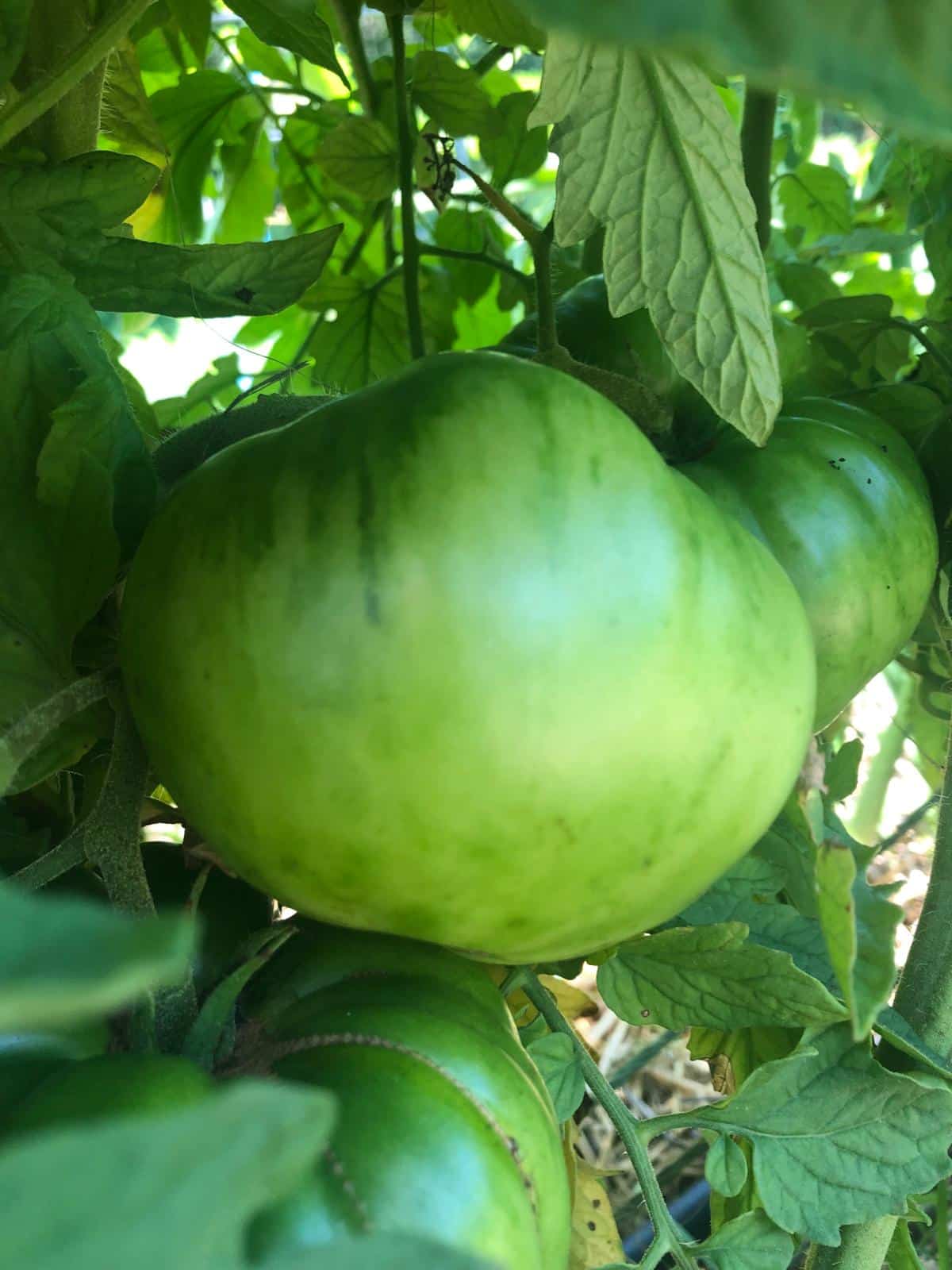
Green tomatoes can easily be substituted for tomatillos in tomatillo recipes. There will be a slight difference in flavor, though it is so subtle you may not even notice it.
Using green tomatoes in place of tomatillos not only makes good use of your green tomato abundance, but planning for this means you can grow one less thing in your garden and still have versatile flavor and a variety of dishes as a result.
7. Make Green Tomato Salsa Verde
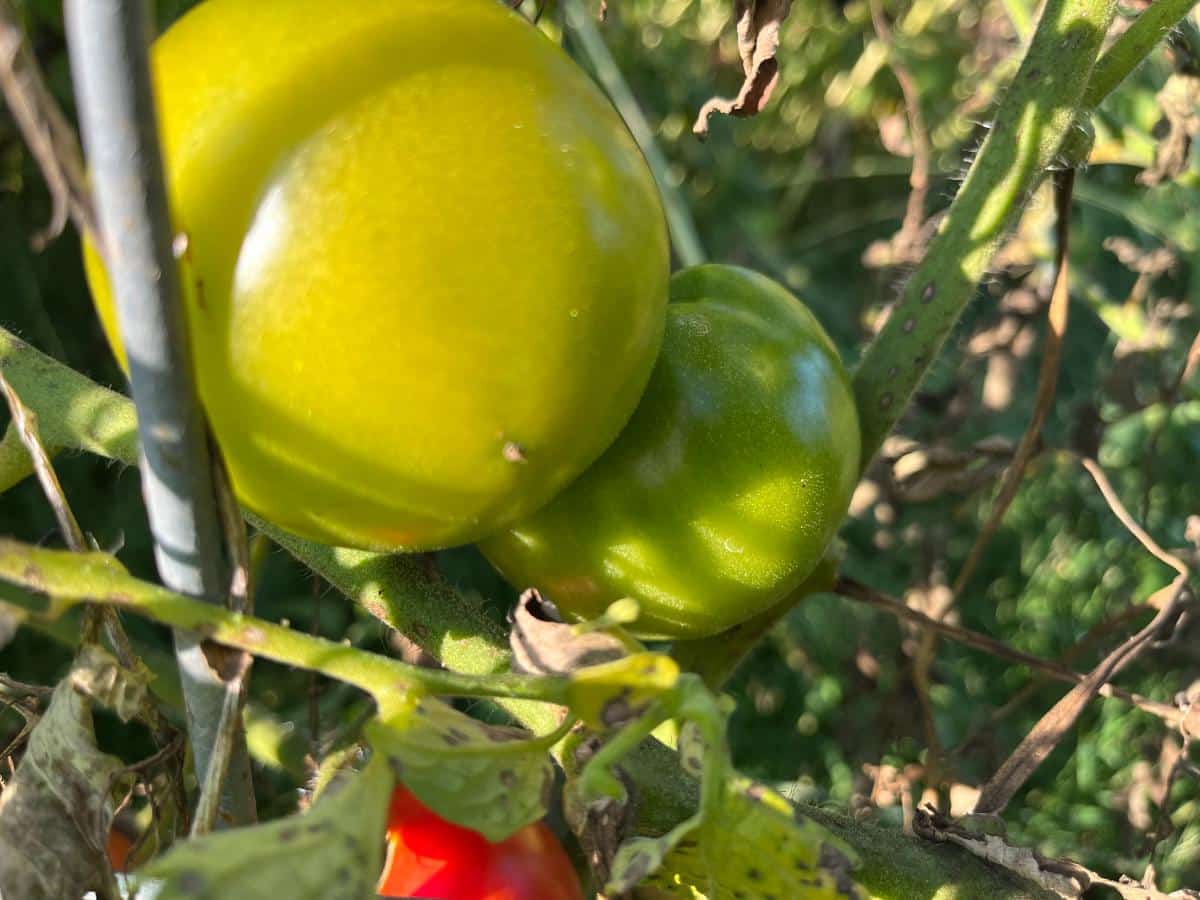
Use green tomatoes for making salsa verde, without having to buy or grow another vegetable!
8. Make Green Tomato Relish or Chutney
Green tomato relishes are a traditional way that our mothers and grandmothers used up late-season green tomatoes. Piccalilli, green tomato chutneys, green tomato jam, relishes….there are all sorts of recipes designed exactly for this use and purpose.
These types of relishes and spreads are great for burgers and sandwiches, with a different flavor than what you get from cucumber relishes. Use it to replace ketchup as a condiment.
9. Use for Green Tomato Pickles, Chutneys, and More
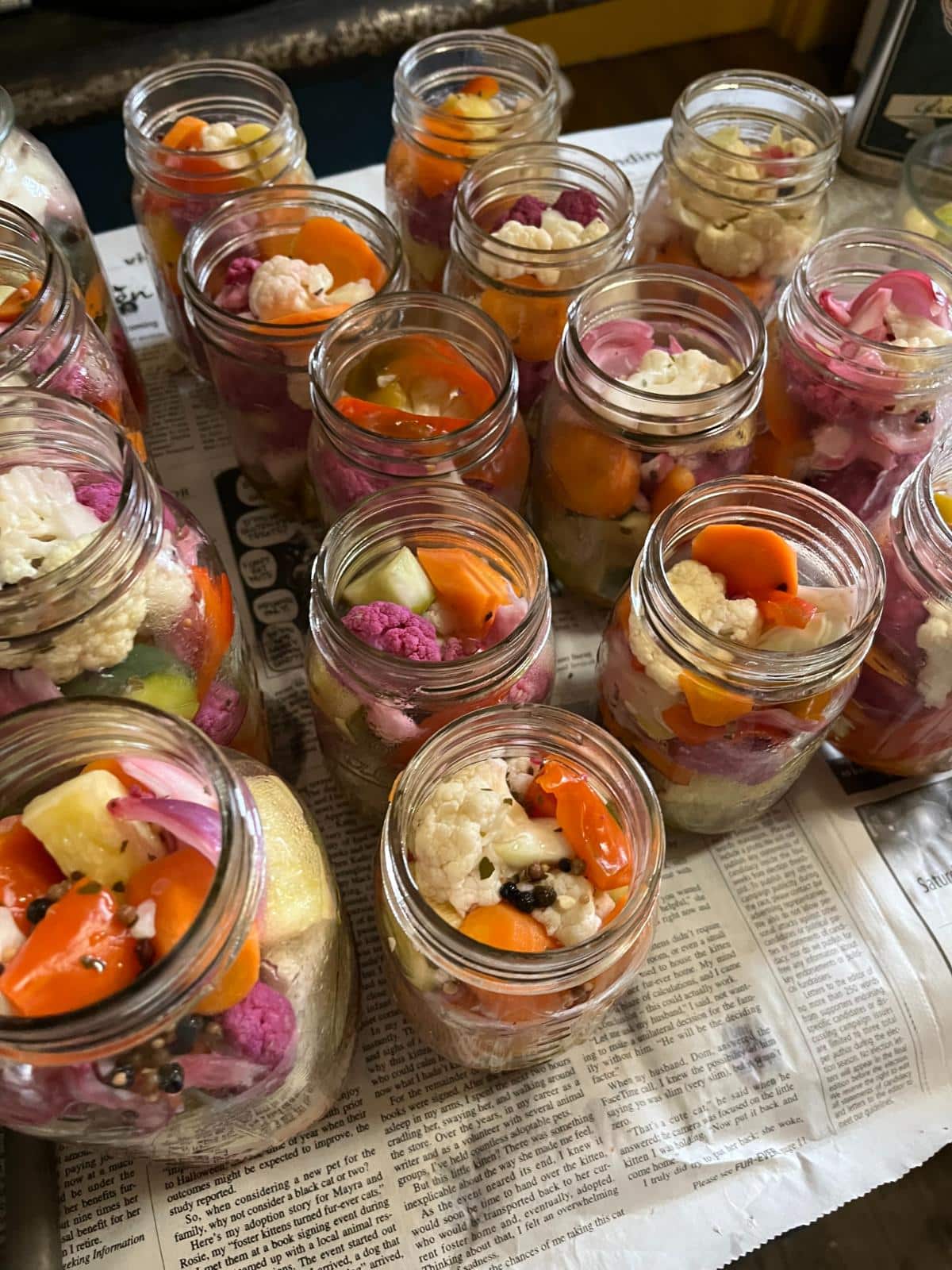
Green tomatoes make great pickles. You can quarter them or make pickle slices. They’re excellent for sandwiches and burgers. Use them on salads when you don’t have fresh ones. Then you won’t have to worry about bland-tasting out-of-season store tomatoes!
You can also use green tomatoes as an ingredient in a mixed pickle, end-of-season pickle, or giardiniera, chow chow, or similar types of pickled preserves.
Canning is convenient because it will make the pickles shelf-stable, but if you only have a few jars or don’t want to bother with canning, you can also just do a refrigerator-pickled tomato.
10. Make Any Number of Green Tomato Recipes!

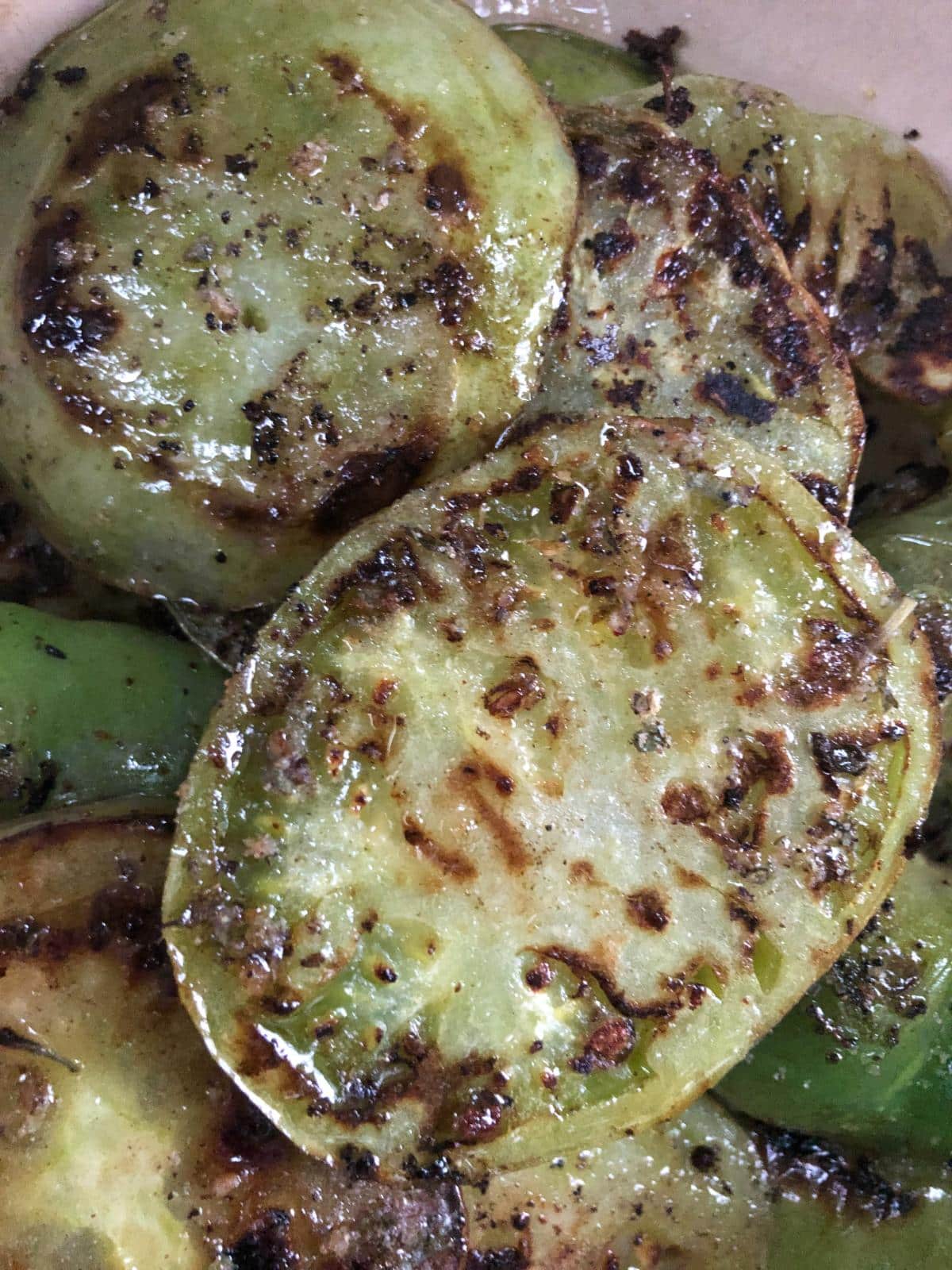
Fried green tomatoes may be the most well-known green tomato recipe, but the fact is that there are a lot of green tomato recipes out there.
As growers, we should all be working towards more seasonal eating and using as much of what we grow as we can. Finding new recipes and preparations for green tomatoes helps us to do that.
For a list of more than 20 green tomato recipes, follow this link.
Tips for Choosing, Storing, and Preserving Unripe, Green, End-of-Season Tomatoes
- Start with mature green tomatoes
- For ripening, tomatoes need to be mature enough to ripen
- Look for tomatoes that are fully sized
- Green tomatoes should show a lightening color on the blossom end, indicating a readiness to ripen
- They should also have a little give to them if you gently squeeze them, and not be rock hard
- If tomatoes have a slight pink or red blush, they should ripen readily
- Ripen tomatoes at room temperature or cool storage/room temps
- Do not refrigerate
- Ethylene gas speeds ripening
- Tomatoes naturally produce ethylene
- Enclosed containers help trap the ethylene gas and prompt better ripening
- You can place the tomatoes in a paper bag, cardboard box, or cooler to ripen and trap gases
- Apples and bananas also produce ethylene gas
- Adding apples or bananas to your tomatoes can speed up tomato ripening