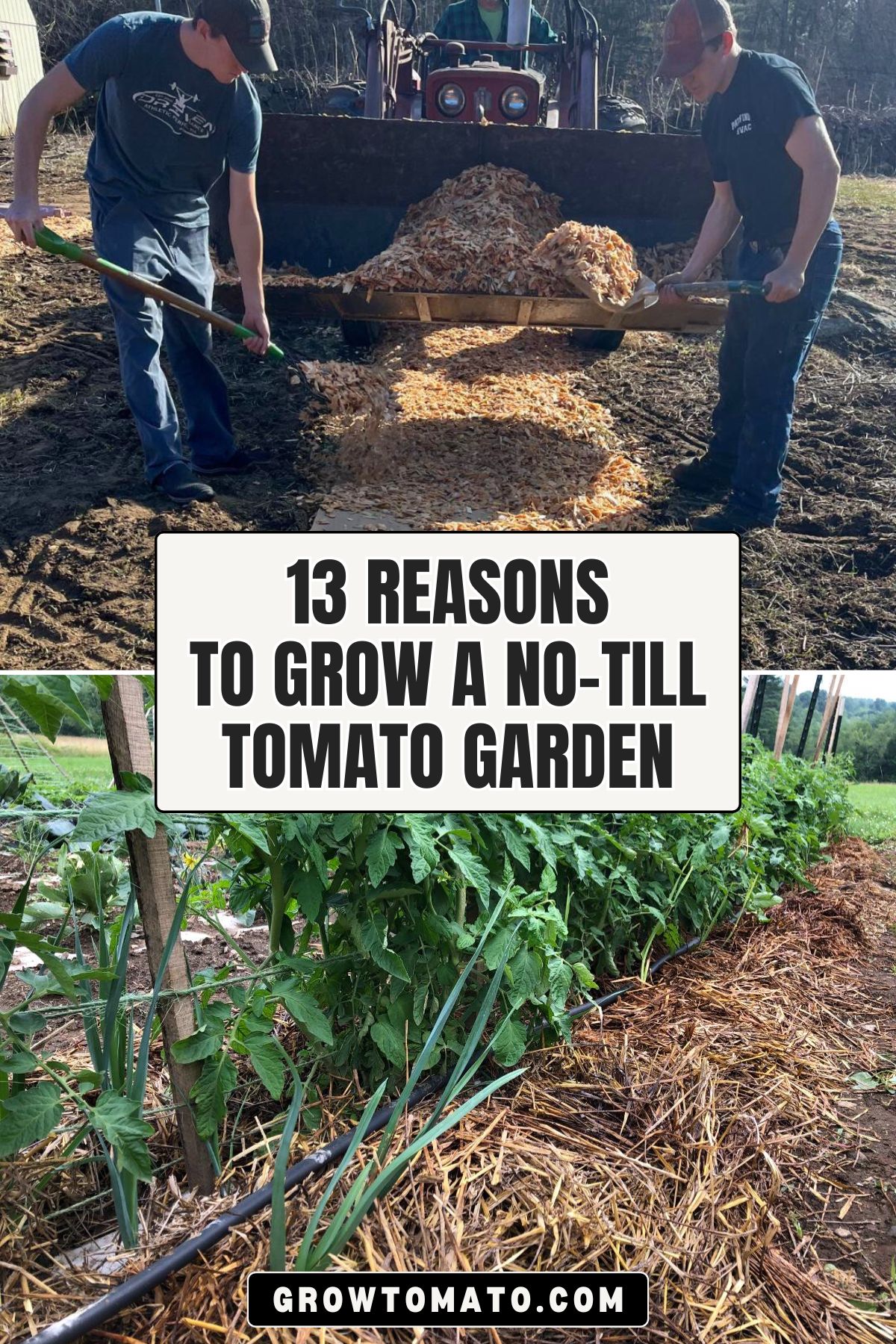



There are a number of benefits to growing your tomato garden via the no-till method. Not only is no-till a less disruptive method of gardening, but it can be a real problem solver depending on your soil and your access (or lack thereof) to heavier equipment.
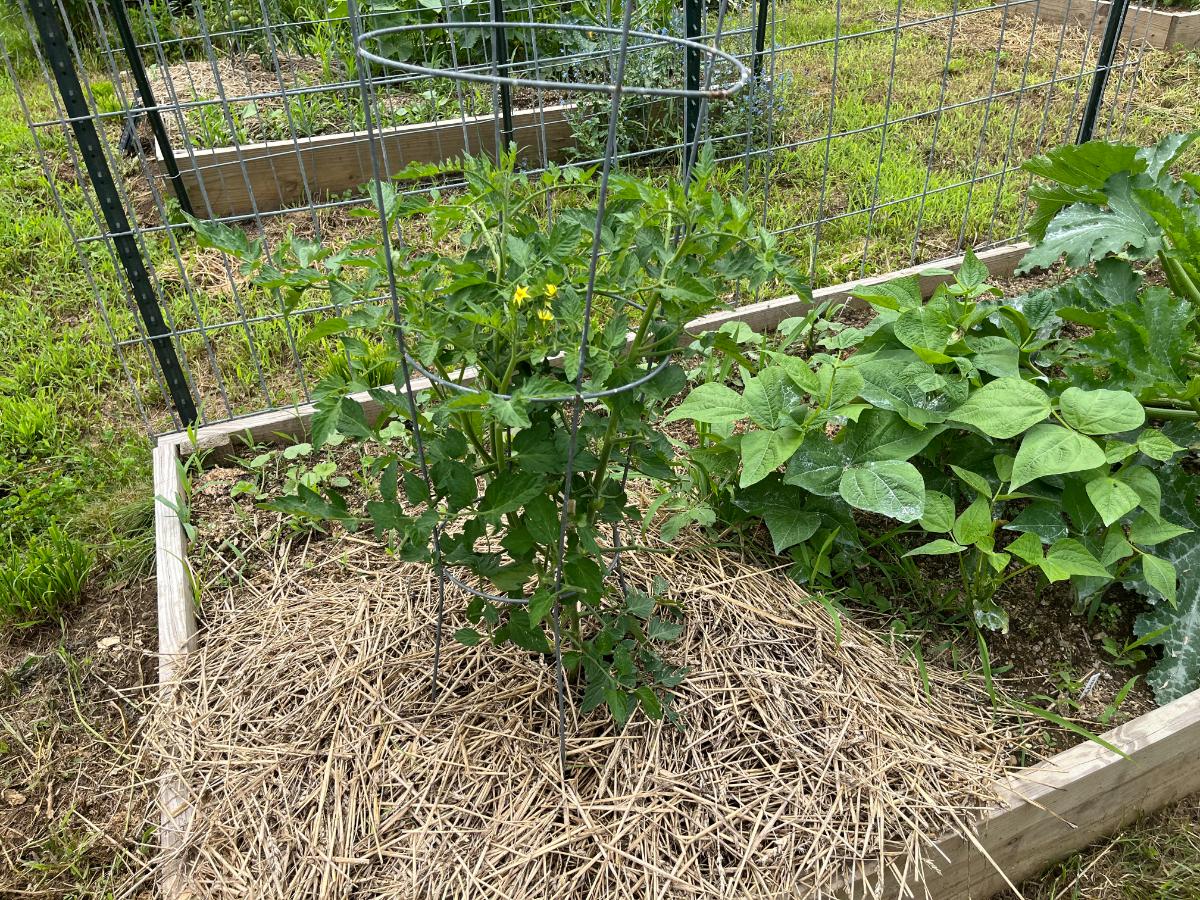
For tomatoes specifically, no-till tomato gardening can go a long way to nutrient access and disease prevention, keeping the worst fungal diseases and blights at bay.
Jump to:
What is No-Till Tomato Gardening?
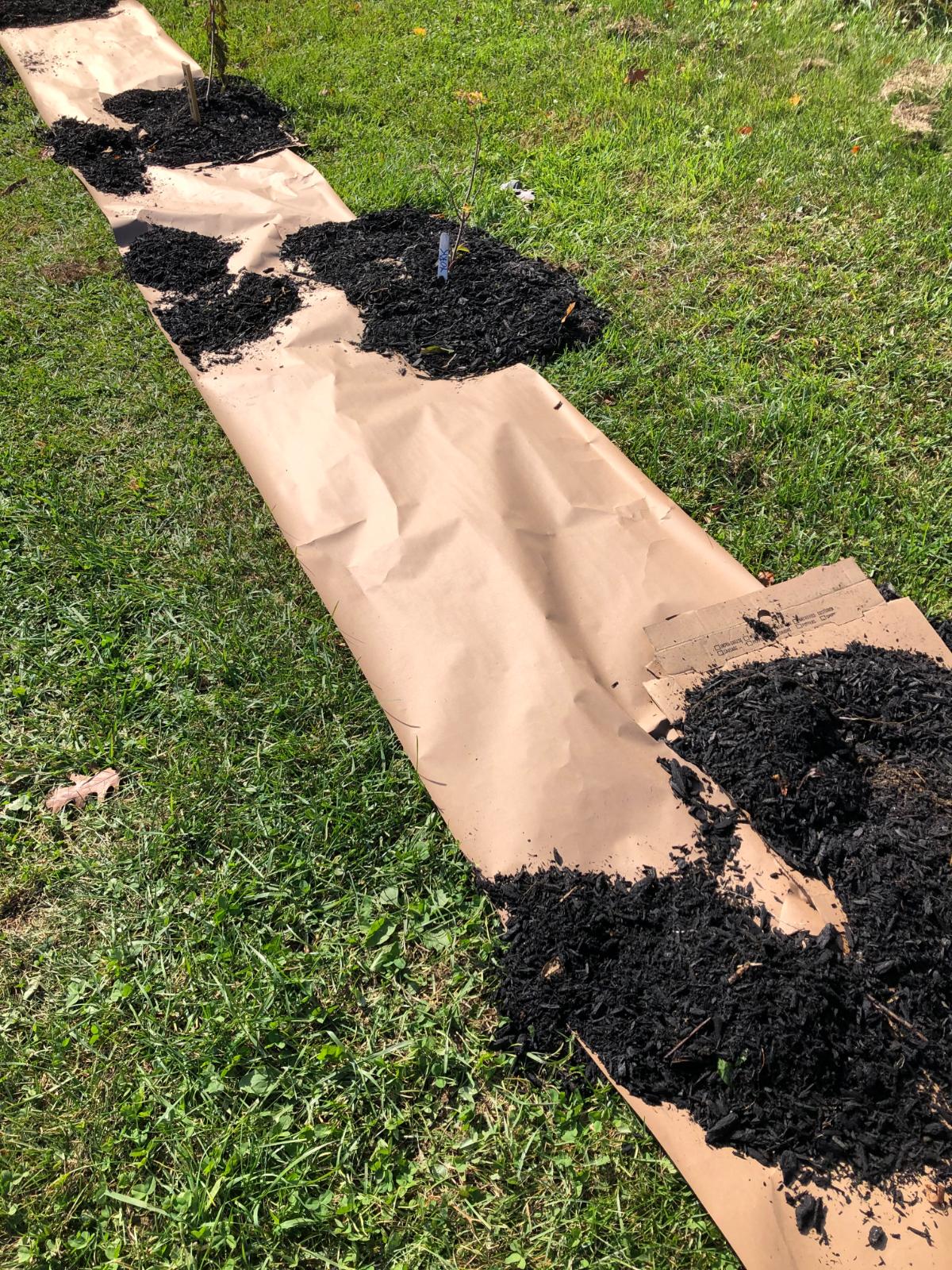
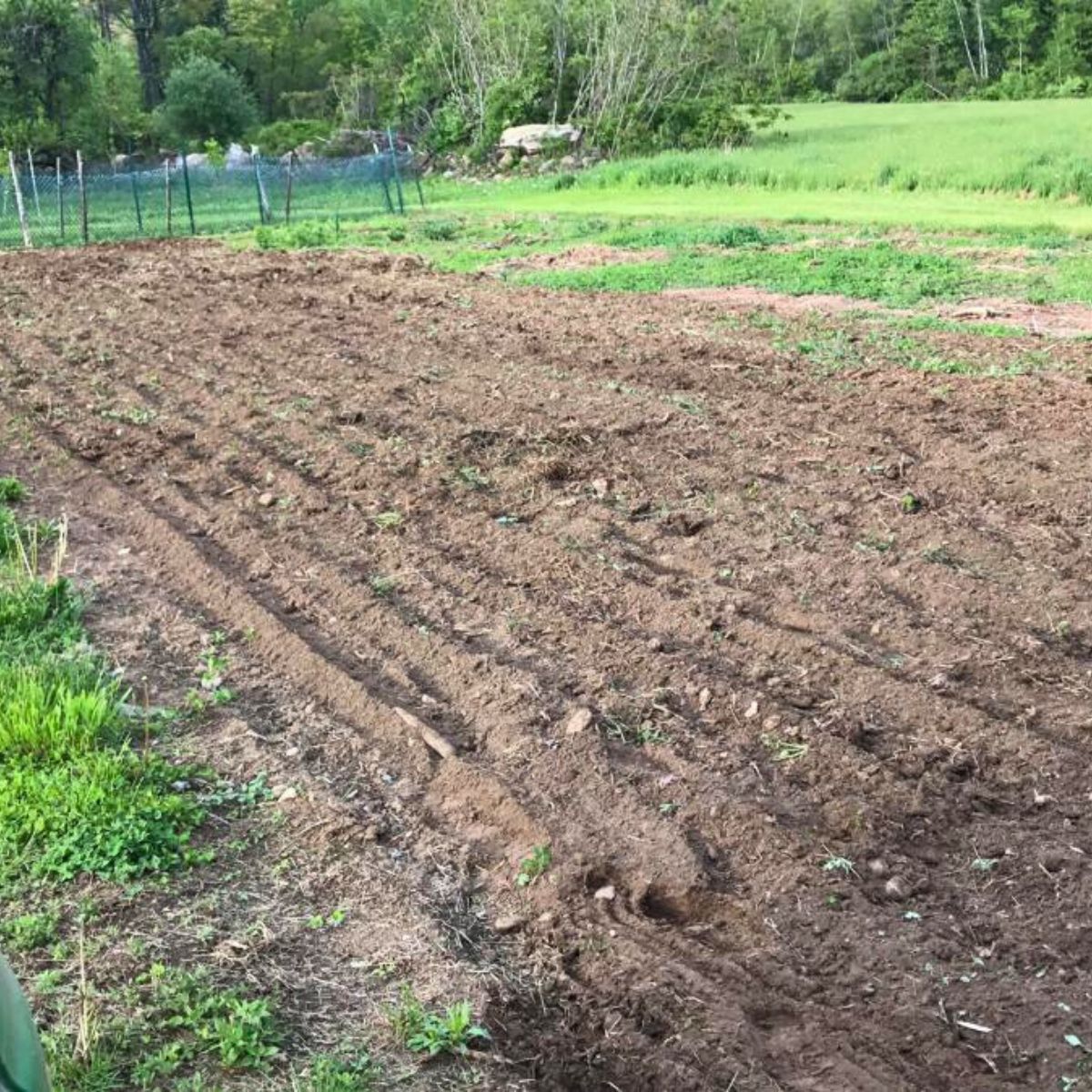
No-till gardening comes in several forms, but basically, it is gardening that does not dig up and turn your soil over and over to great depths repeatedly.
This can be done in many ways.
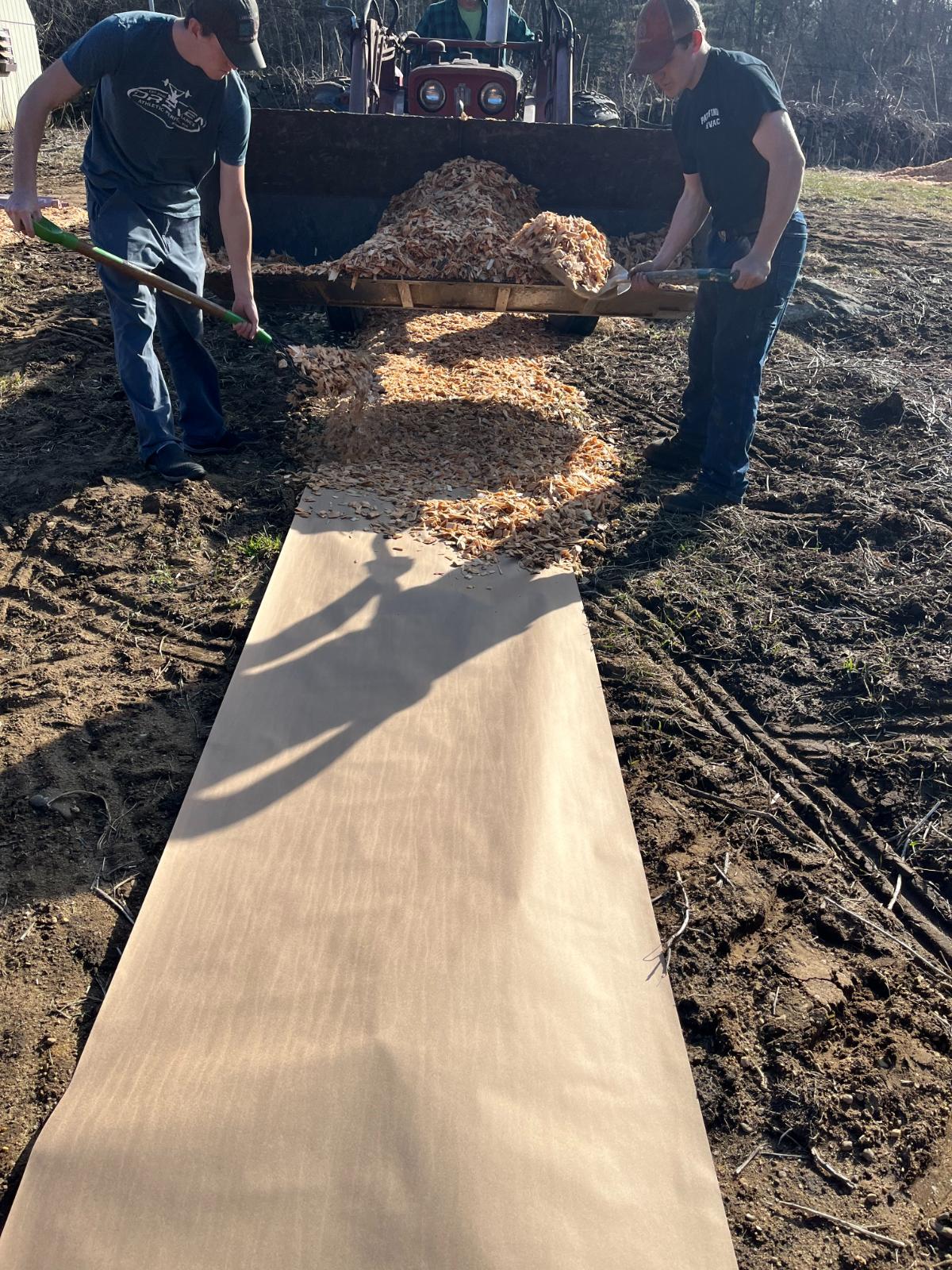
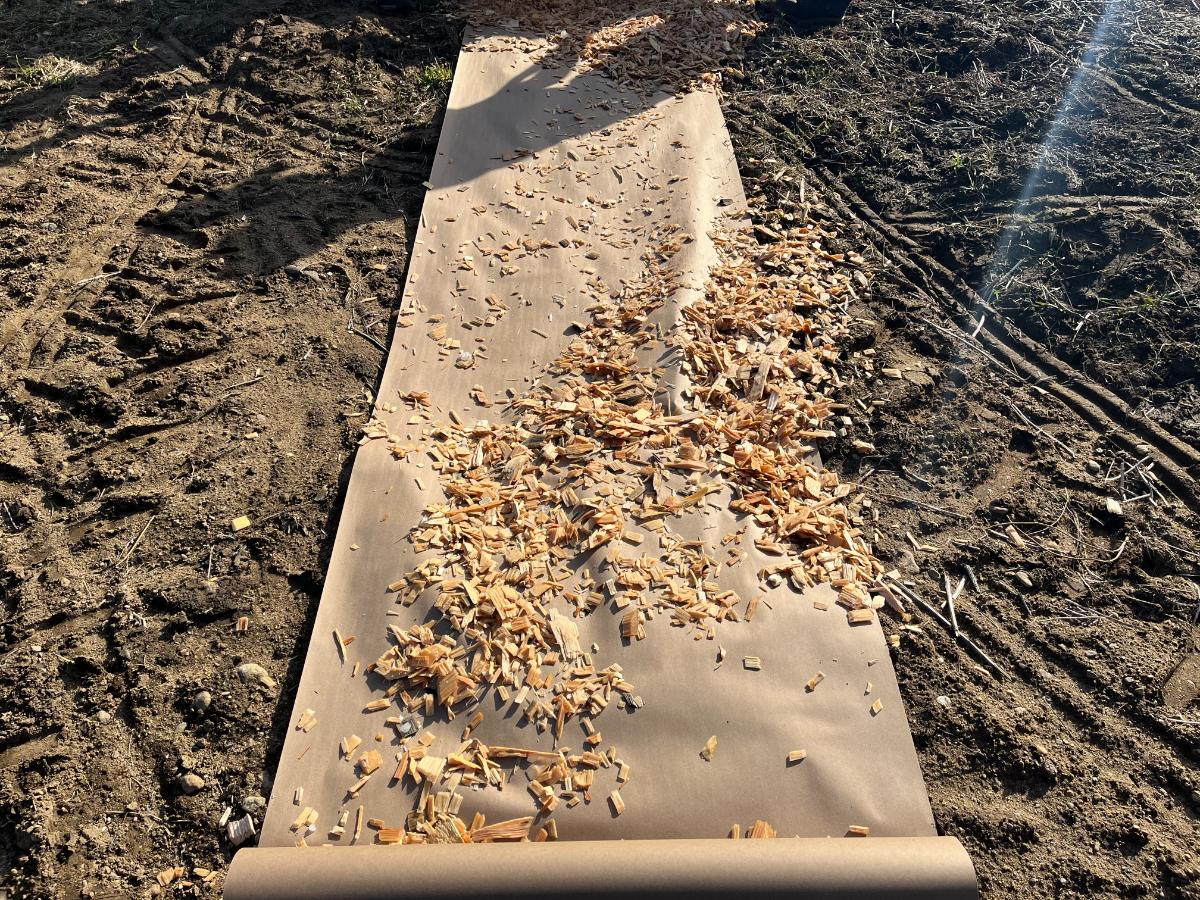
- Among the most common and most popular are patches built by smothering existing grasses and plants and planting through, topped off with organic mulches and composts.
- The stacked, layered, or “lasagna” method of gardening is another good example of no-till gardening, as is hugelkultur style gardening.
- You may know this better as “sheet” gardening.
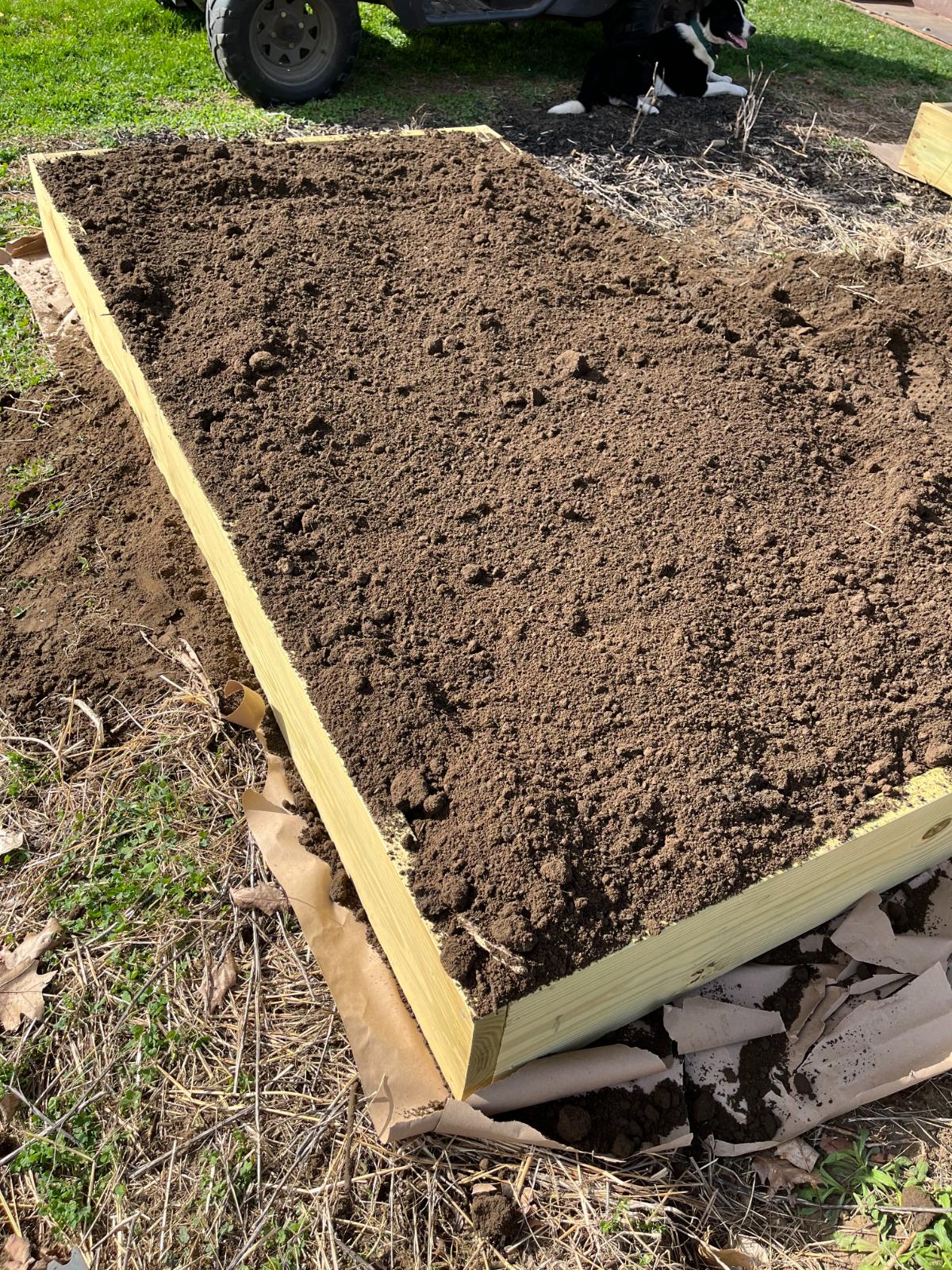
- Raised beds, though we don’t often think of them as such, are a no-till garden method, or at least they easily can be. (Most are by default.)
What Are the Advantages of No-Till Tomato Gardening?
- Minimizes soil disruption. Tilling does a lot to disrupt all sorts of soil processes. When you don’t till, you don’t disrupt those processes, and a more natural state of affairs -- more similar to the floor of a forest or a meadow, for example -- can exist. This maintains essential tilth and substance in the soil.
- Reduce soil compaction. Going over and over the ground packs soil down and results in hard, compacted soil. This collapses and shuts off natural air spaces and lines of aeration and tunnels, such as worm tunnels. Air in the soil is important for plants. Those spaces also allow water and moisture to flow.
- Maintains and builds soil structure. When soil is tilled, it breaks down organic matter into even finer pieces. This undermines the soil-building capacity of organic materials, including compost. You put a lot of work into building up your soil -- don’t break it down prematurely!
- Supports biodiversity. Biodiversity in the soil comes in many forms. Tilling drives out worms and smaller microorganisms. It also takes away the environmental elements needed to support mycorrhizal systems and beneficial soil fungi. Symbiotic relationships like these take time to build, but they can break down very quickly.
Mycorrhizae act as a sort of root system extender and nutrient delivery system for all types of plants. They allow your tomatoes to extend their root surface area and reach deeper for moisture, minerals, and other life essentials -- healthier, stronger tomato plants!
Microbes and fungi also sequester carbon and hold nutrients in the soil. All of this is better for your tomatoes’ growing environment. - No need for expensive or heavy equipment. No-till tomato gardens do not require big, cumbersome equipment like rototillers. This saves money and physical work. Anyone can garden anywhere, even in a small space, with a no-till garden. There are smaller tools that can do the job of things like aeration.
- Less weed seed exposure. Tilling inadvertently brings buried seeds to the top of the soil. Once there, they have what they need to germinate and grow. So while tilling can be a weed killer, it can also be (and often is), a weed proliferator.
- Less disease-spore exposure. Many of the worst of the worst tomato diseases are caused by soil-borne fungal spores. This is where a lot of blight comes from -- from spores splashing up from the soil into the lower limbs of the plant, and then spreading upwards from there. This is the case in early tomato blight.
Late blight and disease spores can also overwinter in soil and then become airborne from exposed soil surfaces (especially in dry conditions). In no-till systems, soil and its pathogens are not exposed to the wind, so they don’t blow around to infect other plants.
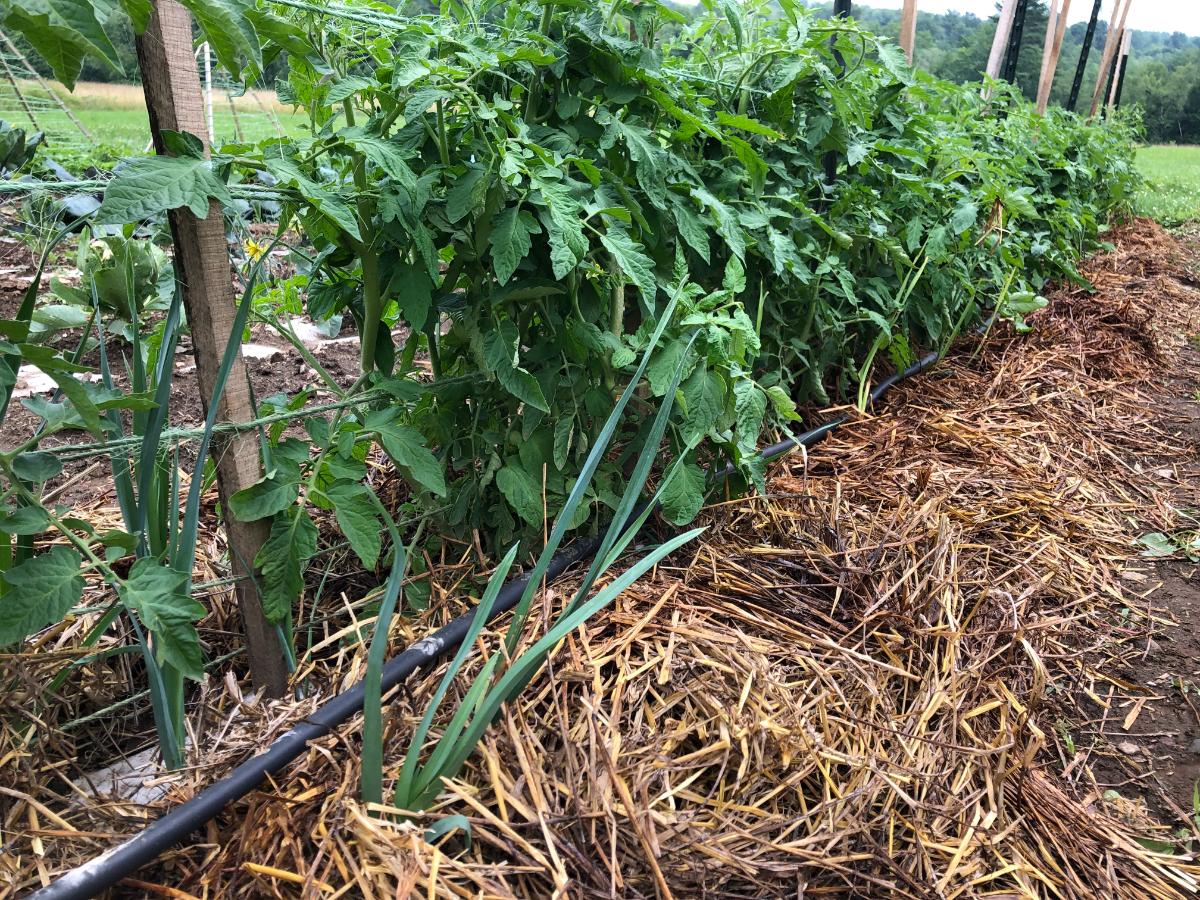
Creating a barrier between the soil and the plants is a highly recommended practice to limit soil from splashing or being blown and sending diseases off on the wind. Straw is one way to do this, but the low disturbance and lasagna methods used in no-till gardens are an excellent alternative, too. - Steadier soil temperatures. Tilling soil changes soil temperatures. Soil that is not churned up and disturbed stays at a much steadier temperature. This serves your plants better.
- Better moisture control. Tilling also dries out soil. There are a few times when this can be a benefit, but for the most part, you’re better off not disturbing the moisture in your soil. When a dry spell or drought hits, no-till soil will be able to maintain its moisture much better and will not suffer from as much evaporation.
- Less soil erosion. Every time we expose soil, we expose it to erosion from forces including wind and water. Though it may be hard to see on the day-to-day, over time, this can seriously deplete our good tomato-growing soil.
- Self-balancing ecosystem. It’s often said that tilling helps to expose insects and pests so they can be eaten or their life cycle is disrupted. The problem with that is that beneficial insects and the wildlife that feed on bad bugs and larvae also get exposed. For the most part, in a no-till system, nature will eventually balance itself out with both the forces of good and evil infestations setting things into balance and keeping each other in check.
- Attractive to pollinators and wildlife. This balanced ecosystem extends out of the soil into the garden overall. Generally, pollinators, butterflies, birds, and beneficial insects are more likely to find a home and stay in a minimally disturbed garden where they can count on their life support systems remaining there.
- Less work for you! This is one of the biggest advantages of a no-till garden system. They simply require less work. Stacking and mulching help control weeds in what is usually a fairly low-seed system.
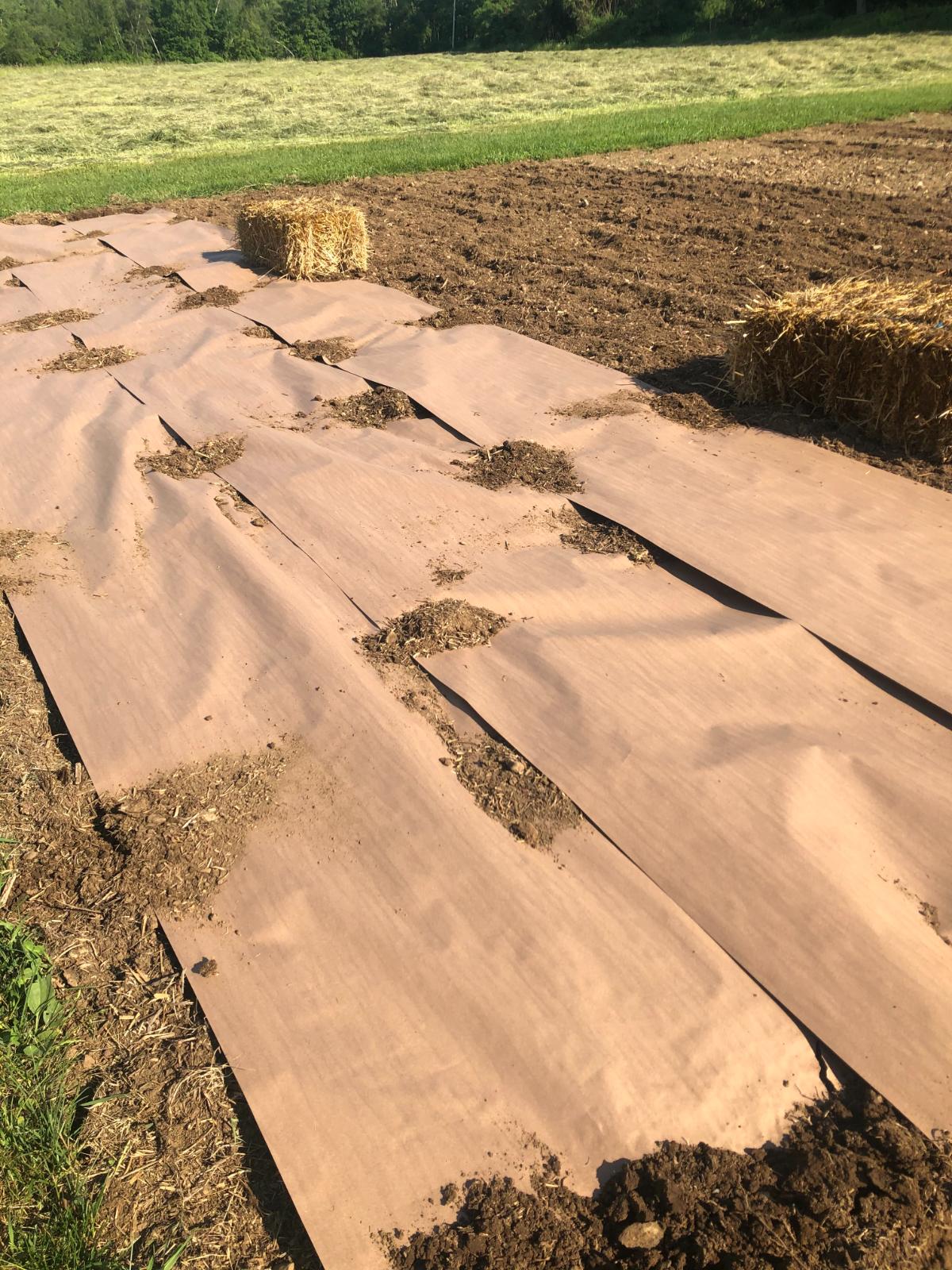
There is no big effort to turn over all the earth before you can plant it. Tilth and structure are being constantly replenished and built up, without being undone. And, soil nutrients tend to be built on their own, either through natural processes or the breakdown of organic mulches, organic matter, and compost applications. In short, the garden tends to take care of itself more, with less need for constant injections of fertilizers and amendments to replace what we have broken down through repeated tilling.
To Till or Not to Till for Your Tomatoes
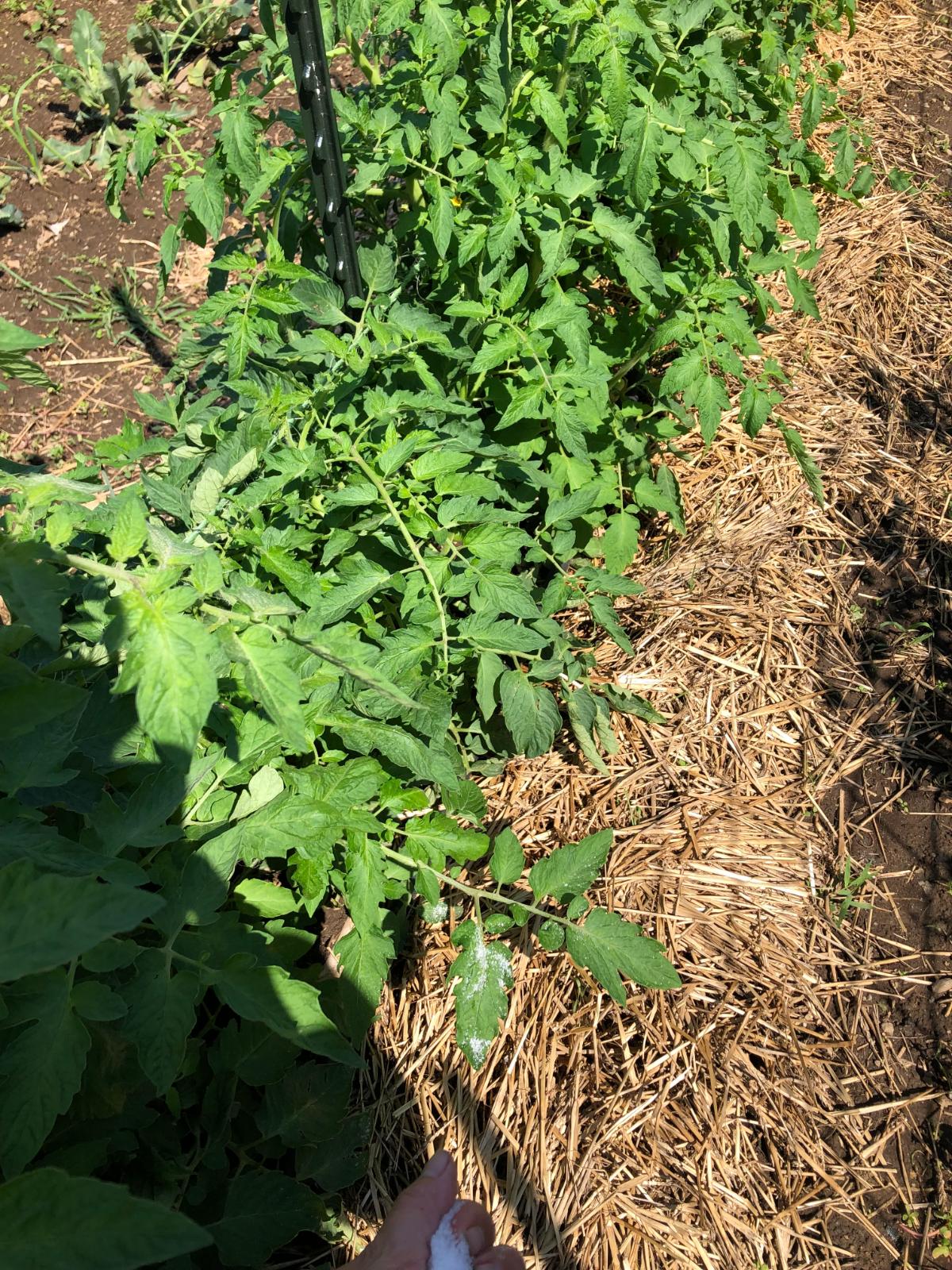
No-till gardening is not for everybody. There are good reasons to till your tomato garden, too. This often depends on the specific challenges you are facing in your tomato-growing space.
That said, no-till tomato gardens are user-friendly for gardens of all shapes and sizes. It is as scalable for a single tomato plant as it is for an acre of tomatoes.
A third option would be to use a mixed method. For example, you could till for rows, but not the aisles in between. Or till for smaller plants like carrots or lettuce, but go no till for larger plants like tomatoes that won’t be as easily crowded out.
How you garden is up to you, but one thing is certain: The more you know about the available, proven methods of tomato gardening, the better equipped you will be to find the methods that serve you well, both in the physical garden and with your eco conscience.
References and Resources to Read More About No-Till Tomato Gardening
- No-Till Gardening For Vegetable Gardens | Collin County Master Gardeners Association
- What Does No-Till Actually Mean? - Hobby Farms
- No-till gardening keeps soil – and plants – healthy | Newsroom
- Low and No-Till Gardening | Extension
- 11 Benefits of No-Till Gardening
- Biggest benefit of a no-till garden is...
- No Till Gardening - Organic Gardening Blog
- The Benefits of No-Till Gardening – SurvivalGardenSeeds
- Late blight of tomato and potato | UMN Extension
- Early Blight of Tomatoes | Extension | West Virginia University