


When it comes time to plant your tomatoes in the garden, you can buy transplants that are already started from a garden center or even by shipping/mail order.

Or, you can plan ahead and start your own tomato plants from seed.
Ultimately, at some time, most tomato growers will decide to switch over and grow their tomatoes completely from seed. This is done by starting them indoors, either in a climate-controlled (heated) greenhouse or in a home under grow lights.
While it is true there is a bit more work involved in starting your own tomatoes from seed; there are some very good reasons why you should.
Jump to:
- 1. Save Money on Seedlings!
- 2. Best Variety Options
- 3. Growing from Saved Seed and/or Saving Seed
- 4. Select and Build Your Own Strain for Local Disease Resistance and Productivity
- 5. Controlling Planting Time
- 6. Lower Disease Transmission
- 7. Stronger Root Systems (Outside/Permanent Planting Only)
- 8. Less Reliance on Suppliers or Supply Chains
- 9. Grow Only What You Need
- 10. Exercising Your Green Thumb Earlier!
- When Should You Start Tomato Transplants from Seed?
1. Save Money on Seedlings!

One of the top reasons people choose to start their own tomatoes from seed is to save money on buying transplants.
Tomato seeds aren’t very expensive. What’s leftover from one year can be used next year. (Tomato seeds that are stored well stay good for between about four and seven years).
Seedling and potting soil do have a cost, but you don’t need much (about a cup per plant), and it’s not very costly, either.
Of course, pots or cell pots cost money, too, but you can save, clean, and reuse them. Even the thinner, cheaper cell packs will last for several seasons for home use.
Or, you can always upcycle other containers to plant your seedlings in.
2. Best Variety Options
Here’s the other top reason people grow their tomatoes from seed.
You have the widest varieties available by growing your tomatoes from seed. You get to pick the type, source, and growing method (organic, conventional, heirloom, hybrid).
There are probably hundreds of good seed companies and reputable sellers in every country. And every one will have twenty or more varieties of tomatoes to choose from (some will have far more than that, especially if they specialize in tomatoes).
When you buy transplants, you’re pretty limited to whatever varieties the greenhouse or supplier decided to grow. And they usually won’t have very many options.
Wider variety and options allow you to experiment with new or different varieties, too. You never know when an experimental variety or two may become your new old reliable!
3. Growing from Saved Seed and/or Saving Seed

If you know how to grow from seed, you can save seeds from heirloom and open-pollinated tomatoes that you grow and then store the seed and grow that seed next year.
This is only an option for heirloom or open-pollinated varieties. Hybrid tomatoes (which are what you’re more likely to be buying from transplants in a nursery, store, or greenhouse) won’t grow true to type and will have unreliable results and yields.
4. Select and Build Your Own Strain for Local Disease Resistance and Productivity
By saving seeds from well-performing varieties in your garden and then growing the next crop(s) from seeds that you start, you can build a locally hearty and disease-resistant strain that will be particularly well-suited to your garden.
Do this year after year, and you can breed a lot of strength, resistance, and reliability into your tomato patch over the generations.
The key is to select and save seeds from the plants that perform the best, even under trying circumstances. By doing so, you can develop a hyper-local tomato plant that has built immunity to the unique challenges of your garden space.
5. Controlling Planting Time

By starting your tomatoes from seed, you have more control over the planting time for your transplants and more control over the size of the plants that get transplanted into your garden.
Of course, this still needs to be within reason. You still can’t plant tender tomato plants out until after the last frost has passed. But you can decide if you want those plants to be larger than the typical six-inch plants available at the local garden center.
Just be aware that in order to keep those transplants growing strong, if you are aiming for larger transplants than what will grow in 6 to 8 weeks, you’ll need to pot them up into larger pots in between.
6. Lower Disease Transmission
Any time you buy a plant from an outside source, you risk bringing in insects, larvae, spores, and pathogens that could potentially be detrimental to your tomato patch and to your whole garden.
Of course, these things can come in potting soil and on equipment, too, but you can easily sterilize potting soil and pots.
The less that you bring home to your garden, the more that you control, and the less potential there is to bring home bugs, molds, fungi, bacteria, and insects. That’s worth starting seeds all by itself!
7. Stronger Root Systems (Outside/Permanent Planting Only)

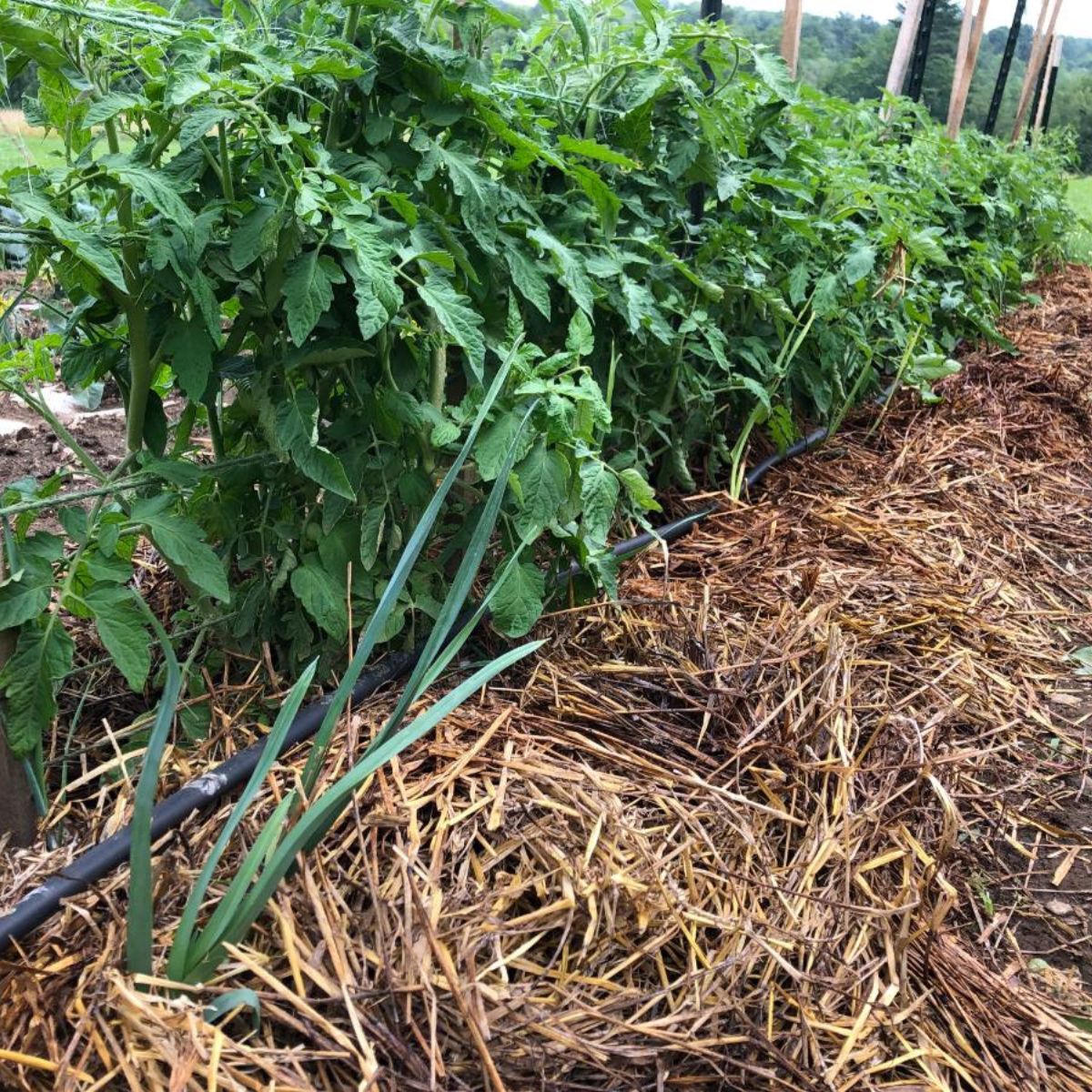
Tomatoes that start from seed in the ground have stronger root systems. Part of this is because they grow in place and have more soil resources available to them. The roots are never at risk of becoming pot or root-bound and running out of room to stretch and grow.
The other part of this is that the plants don’t need to be transplanted. So they never experience root disturbance. They never experience transplant shock, and they never lose growing time to either of these experiences.
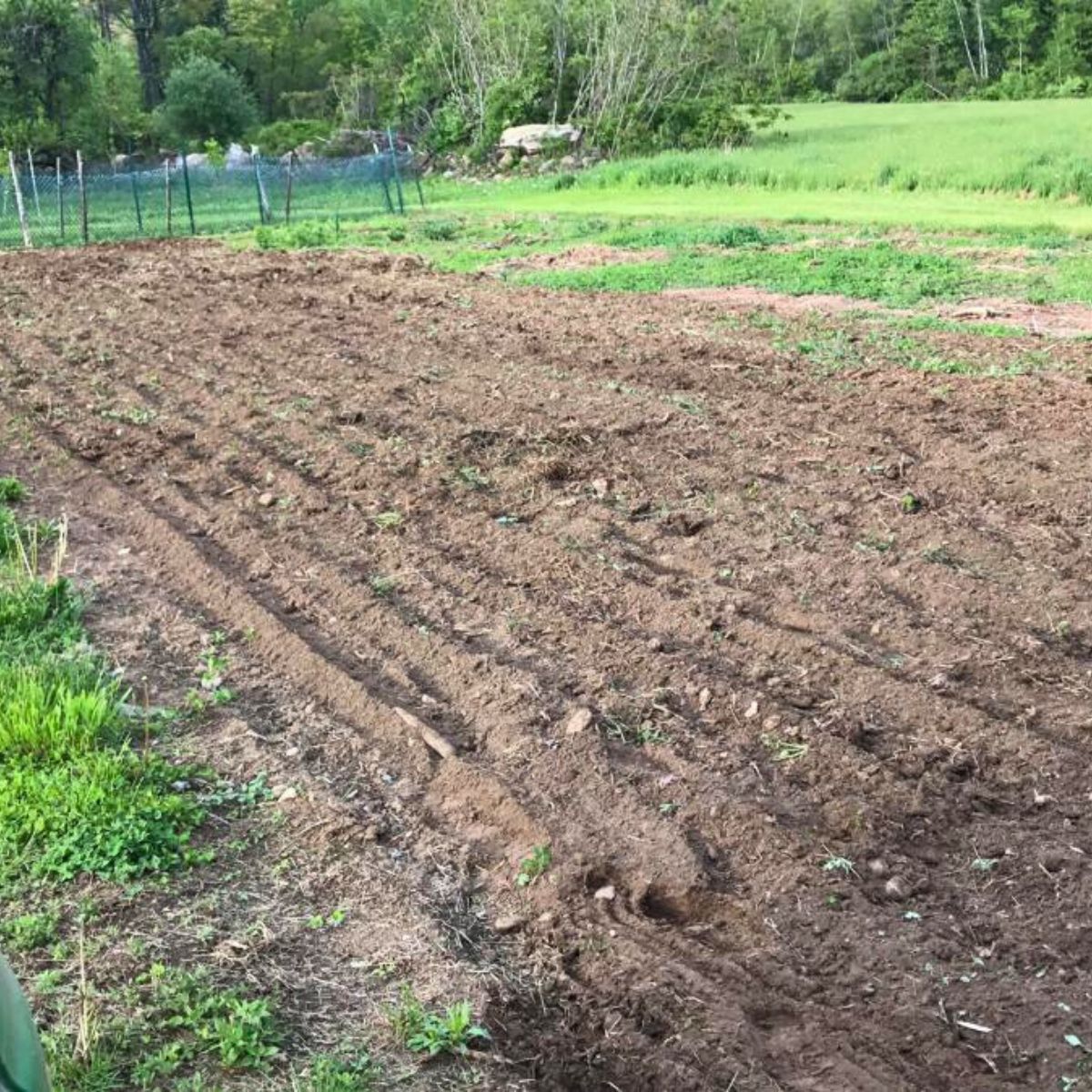
There are drawbacks to direct seeding outdoors, though.
- It only works in locations where the growing season is long enough for the seeds to germinate, sprout, and grow to mature harvest size
- It’s easy for seedlings to get choked out
- It’s easy to lose your seedlings in weeds and accidentally weed them out
- You can get larger transplants planted out when seeds are just sprouting and be weeks ahead of seeds started outdoors in the ground
8. Less Reliance on Suppliers or Supply Chains
If you know how to grow your own tomatoes from seed, and especially if you learn how to save your own seed to regrow, you will never have to rely on an outside supplier for your tomatoes.
You can, with reasonable effort and not too much of a learning curve, become completely self-sufficient for your tomato crop, pretty much for all time.
These are skills that translate into growing almost every other type of vegetable and many fruits, too!
9. Grow Only What You Need

When you grow your own, you decide how many of each type of tomato seed to start. You won’t be forced into buying tomatoes you don’t need just to get what you do want.
If you want to plant several different varieties, starting from seed is almost certainly your best option. The same is true for growing a large number of tomato plants.
But even if you only want one or two of a variety, starting from seed can be the cheapest way to go. Often, single pots of transplants are the most expensive, and if you can’t buy singles, you may end up paying for four or six packs of tomatoes that you don’t even need. What a waste!
It is smart to start a few extra plants more than what you’re planning to put in the garden, just in case some seed fails or a few plants don’t make it. But that’s nothing in comparison to the cost of buying plants you don’t need for big money. And there is almost always a friend, neighbor, or family member you can share with (and impress!).
10. Exercising Your Green Thumb Earlier!
People who love to garden and grow their own are usually pretty impatient to grow when the seasons start to turn toward spring. Growing your own tomato transplants from seed is a way to calm your garden nerves and have some meaningful garden tasks to do in the meantime.
Besides that, growing your own plants from seed is extremely satisfying. There’s great comfort to be had in knowing that you have mastered a skill like seed starting and growing your own food completely!
When Should You Start Tomato Transplants from Seed?

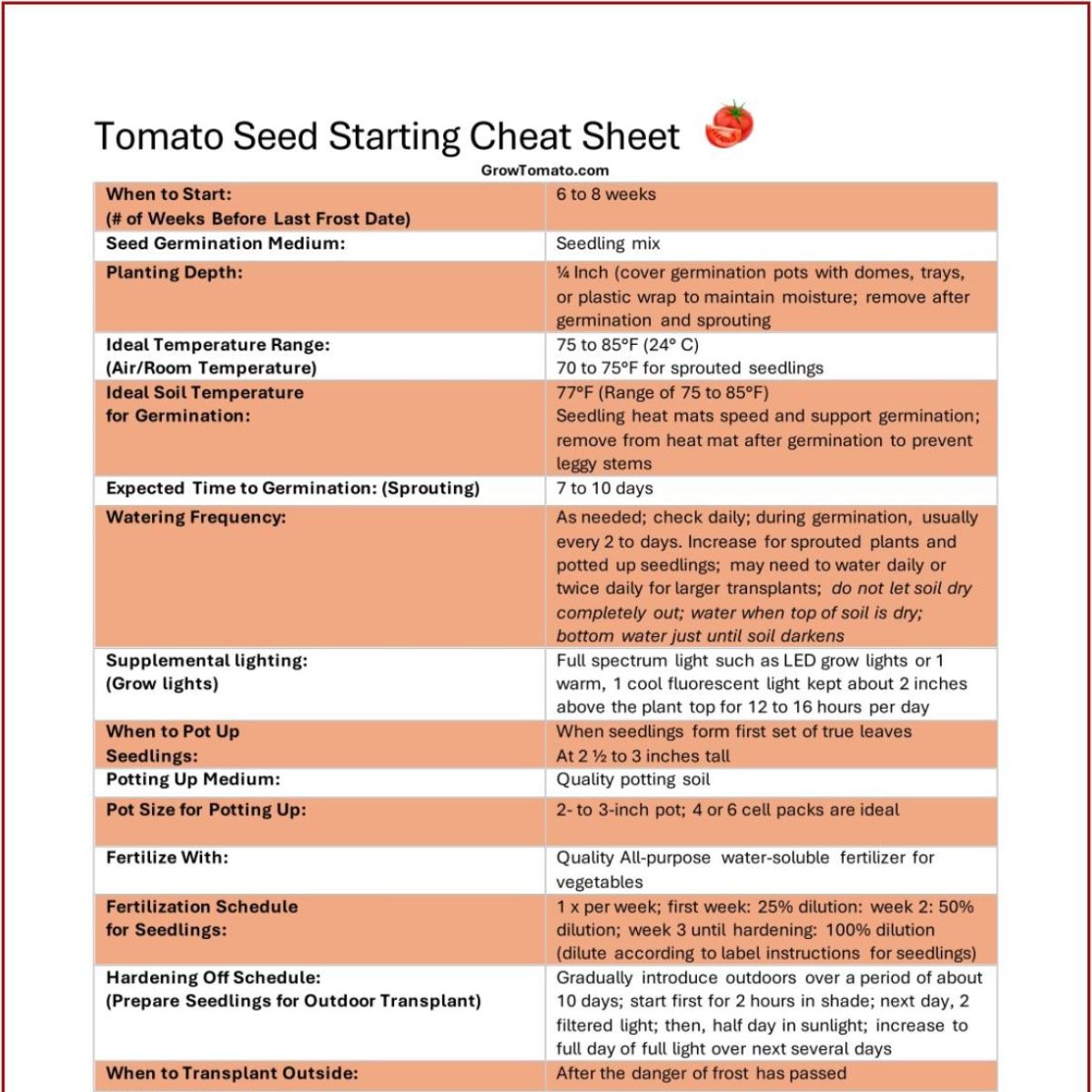
The general rule of thumb, and the most popular time to start tomatoes from seed, is to start them six to eight weeks before your last frost date.
Some will choose to go a little longer for their own reasons, but if you’re looking for a good, solid start date for starting tomato transplants, this is good timing.
Starting tomatoes six to eight weeks before transplant time will give you transplants that are generally around six inches tall when it is time to plant your tomato garden.


