




Damping off disease is a soil-borne fungal disease that is common among seedlings that are started inside. Damping off is a problem for plants grown outdoors, too, if the conditions are right to support it.

While it is not uncommon for people who start tomatoes from seeds inside to experience damping off at one point or another, it is also a disease that is not too difficult to prevent.
In fact, prevention is the absolute best way to deal with damping off disease. The same steps that you would take to prevent damping off are the steps you would want to take if you start to see it in your tomato seedlings, too.
Jump to:
Signs and Symptoms of Damping Off Disease in Tomatoes

Dealing with damping off disease starts with recognizing the signs and symptoms of it. The more quickly you can recognize damping off for what it is, the more quickly you can take steps to stop it.
You will likely see some losses regardless, but you may be able to get ahead of damping off disease if you recognize it early. Then, you can stop setting up the conditions that exacerbate it or allow it to grow.
These are the signs of damping off disease that you need to be looking for in your tomato seedlings:
- Seed sprouts fail to emerge
- Seedlings are soft or mushy
- The seedling’s stem is thin
- Stems are light in color and appear waterlogged
- The stem appears to have a thinning, thready spot
- Brown spots develop on the stem, a little above the soil line
- The stem breaks and bends at the discolored spot
- Spotted stems
- Wilted leaves (even if visible signs on stems are not yet obvious)
- Roots are stunted, or there may be no root growth at all (often just a single early root that fails to develop)
- Spotted roots
- Mold growing on top of the soil
Can Damping Off Be Stopped or Healed?

Unfortunately, damping off disease cannot be stopped once it has started. There is no known “cure” or treatment for damping off disease.
If a tomato seedling has damping off disease, that seedling can’t be saved, but you might be able to save others in the set.
- Remove and discard any seedlings that show brown spots or signs of damping off disease
- Take immediate preventative measures, as outlined below
- Remember that damping off disease is a fungal disease, which can spread, and it will spread more in overly moist conditions
- If many plants are affected, consider repotting the remaining seedlings into new soil along with taking preventive measures
Though damping off disease is a fungal disease, and it will kill the plants that contract it, it is also one that comes more often than not from mismanagement. That’s good news because it means it can be managed with good plant care!
How to Prevent Damping Off Disease in Tomatoes

The best way to prevent damping off disease or to stop it from becoming widespread is to deny the fungal spores the conditions they need to grow.
- Cool, wet conditions set the stage for damping off disease in tomatoes
- Deny the fungi coldness and wetness, and you can keep damping off from ever getting started
How do you keep plants watered and cared for while also keeping damping off disease out of your tomatoes? Here are the top tips:

- Use a new seed starting mix every time you start seeds
- Do not reuse seed starting mix or potting soil
- If you do reuse soil or seedling mix, make sure you sterilize it first (to sterilize soil or seedling mix, you need to heat the soil to a high temperature)
- Don’t use garden compost or garden soil to start seedlings (start seedlings in seed starting mix in a germination pot, then pot them up into potting soil later)
- Sterilize pots, trays, and cell packs before planting
- Sterilize planting tools
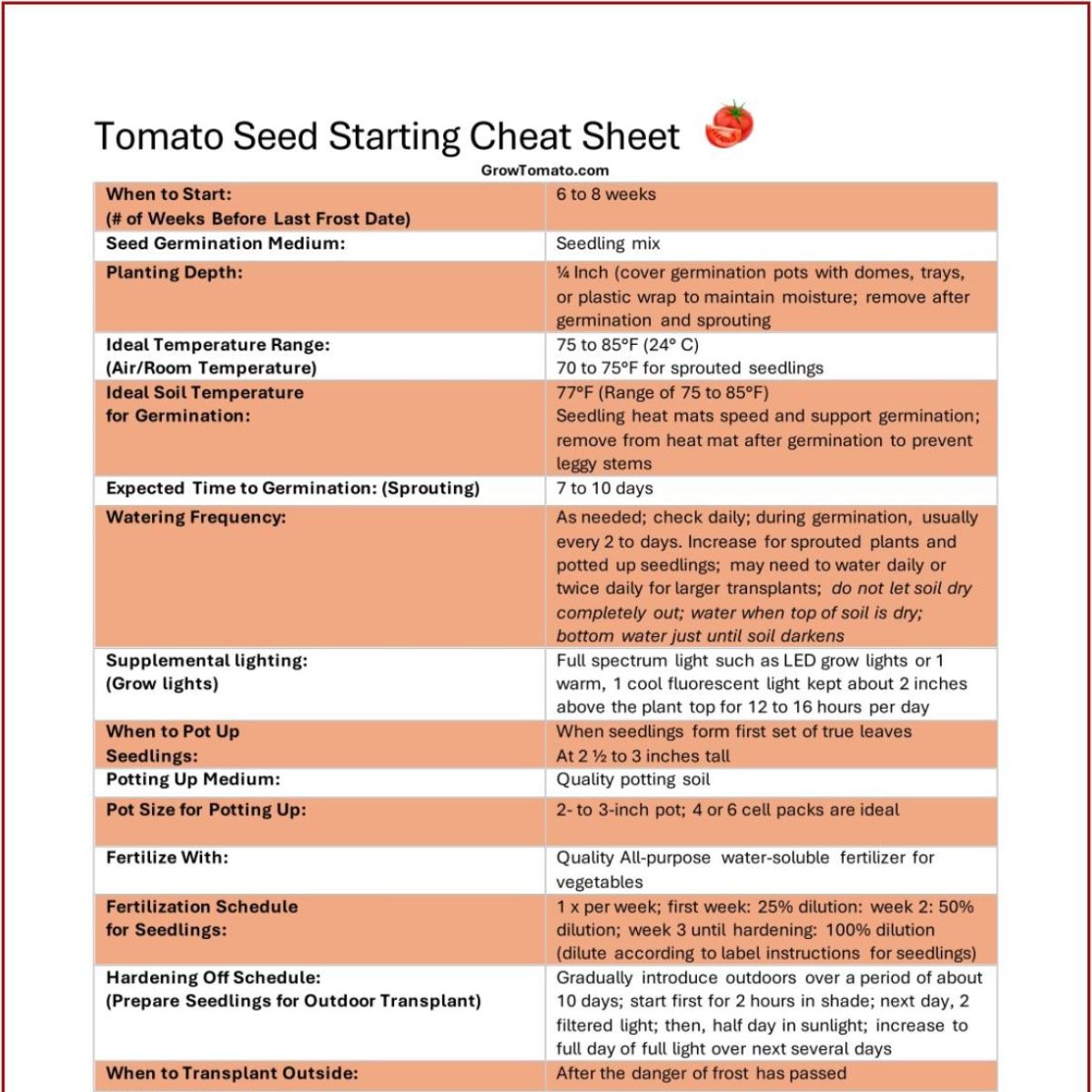
- Start seedlings on a heat mat set to 70 to 75 degrees Fahrenheit (21 to 24 Celsius)(to prevent soil from being too cool)
- Use room temperature water when watering
- Bottom water only, and do not wet plants and stems when watering
- Bottom water just until the top of the soil darkens with moisture, then remove the pot from the water tray
- Do not overwater
- Only water when the top of the soil is dry (but do not let the soil dry out completely); this is about every other day, but home or greenhouse conditions can speed or slow moisture dissipation
- Wait to fertilize your tomato seedlings until after the plants have two or more sets of true leaves (at least four leaves total)
- Provide full spectrum grow light and do not rely only on the light from a sunny window
- Provide light for 12 to 16 hours per day
- Pot up seedlings into individual pots or cell packs (one tomato plant per cell) when they have at least one set of true leaves (this prevents overwatering caused by growing in too much moist soil)
- Pot up only one pot size
- Do not overcrowd seedlings
- Maintain good airflow and circulation
- Add a small fan, lightly blowing on the tomato seedlings to keep the stems dry so fungi cannot multiply and colonize the plants
Pay Attention to Your Other Seedlings, Too

Tomatoes can easily fall victim to damping off disease if the stage is set for the fungus. But tomatoes are not the only type of seedlings that can get damping off disease.
In fact, almost all types of plants and seedlings can contract damping off disease. Most plants have the potential to be affected during their seedling stage.
Many (if not most) tomato growers are gardeners who will also be starting other types of seedlings. Usually, we use the same space and setup for all of them.
Damping off in the soil or on the plants of one type of plant can spread to others, such as your tomato seedlings.
So, keep an eye on all of your seedlings and be on the lookout for damping off disease in all of them. Use the same set of preventive steps and measures to control damping off in your other seedlings, and don’t let other diseased plants infect your tomatoes.


